Joysticks in the Living Room: How Americans Are Turning Their Homes Into Personal Arcades
Photo: Henry Winkelmann, Public domain, via Wikimedia Commons
There's a moment that a lot of home arcade builders describe the same way. You flip the switch, the marquee lights up, the startup chime rings out, and suddenly your basement doesn't feel like a basement anymore. It feels like somewhere else entirely. That feeling — that specific, slightly electric joy — is exactly what's driving one of the most quietly explosive trends in American home entertainment right now.
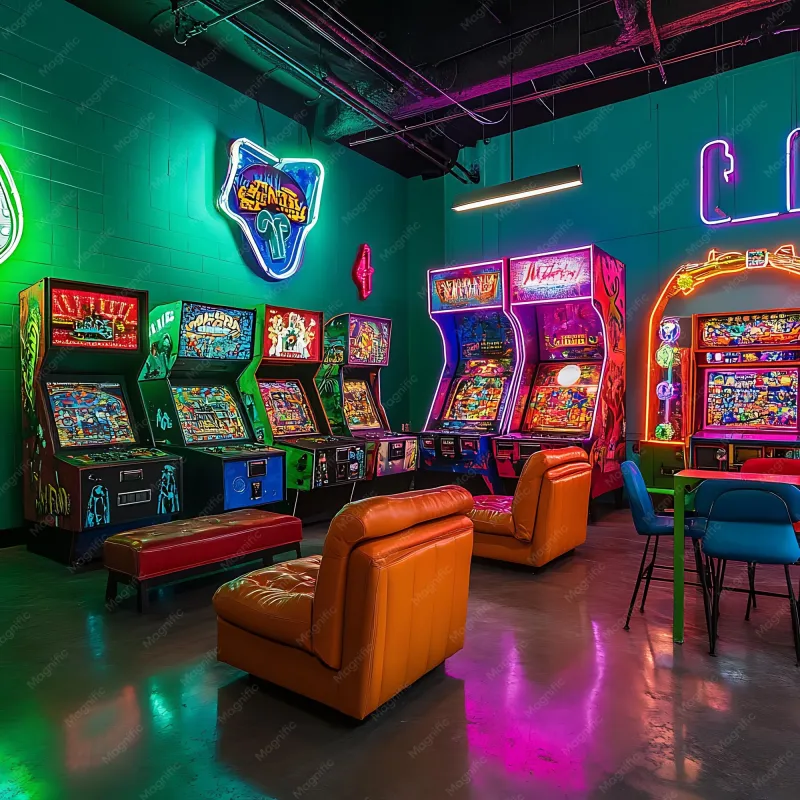
Personal arcade installations are booming. Not just a single cabinet tucked in a corner, but fully designed rooms, complete with custom lighting, themed décor, curated game libraries, and bar setups that would make any neighborhood spot jealous. People are going all in, and they're not shy about it.
The Pandemic Spark That Didn't Burn Out
Like a lot of home improvement trends, this one got a serious push from the pandemic years. When public entertainment options disappeared overnight, people started investing in their own spaces. Home theaters got upgrades. Backyard patios became outdoor living rooms. And for a certain type of enthusiast — someone who grew up feeding quarters into machines at the local mall — the logical next step was building their own arcade.
What surprised a lot of people, though, is that the trend didn't fade when things reopened. If anything, it accelerated. Once someone has a dedicated gaming room with a couple of cabinets, a mini fridge stocked with their favorite drinks, and a sound system dialed in just right, going out starts to feel like the less appealing option for a Friday night.
That's a meaningful shift. Communal entertainment spaces — arcades, bowling alleys, movie theaters — have always relied on the idea that you need to leave home to have a great time. Home arcade culture is quietly challenging that assumption.
The Tech That Made It Possible
Here's the thing: building a home arcade used to mean either spending absurd amounts of money on original cabinets or settling for cheap imitations. Neither option was especially accessible. But the DIY landscape has changed dramatically over the last decade.
Multi-game platforms like the Raspberry Pi opened the door for hobbyists to build their own cabinets from scratch, loading them with emulated libraries of hundreds or even thousands of classic titles. Software like RetroPie and LaunchBox made the setup process manageable for people who aren't necessarily tech wizards. Prefab cabinet kits from companies like Arcade1Up gave casual fans an affordable entry point, even if the hardcore builders tend to look down on them a little.
On the higher end, companies are now offering fully custom, handcrafted cabinets built to spec — your artwork, your game selection, your dimensions. These aren't cheap, often running several thousand dollars per unit, but for serious enthusiasts, they're considered worth every penny. There's also a thriving secondhand market for original arcade hardware, with restored classics showing up at estate sales, on Craigslist, and through dedicated collectors' networks.
The result is a hobby with genuinely wide accessibility. You can get started for a few hundred bucks or spend tens of thousands. The community has room for both.
Designing the Dream Room
Walk through enough home arcade setups online — Reddit's r/arcade community alone is a rabbit hole worth falling into — and you start to notice some consistent design philosophies.
Lighting is everything. Neon signs, LED strips synced to game audio, backlit marquees — the visual atmosphere is treated as seriously as the games themselves. A lot of builders reference the sensory experience of a real arcade: the glow, the noise, the energy. Replicating that at home requires intentional design choices, not just plugging in a machine.
Theme matters too. Some rooms go full retro, leaning into the '80s aesthetic with vintage posters and period-accurate décor. Others build around a specific franchise or genre. A few go in entirely personal directions, creating spaces that reflect their own gaming history rather than any particular era.
And then there's the bar element. The overlap between home arcade culture and home bar culture is significant. A lot of builders treat the two as complementary projects — the games provide the activity, the bar provides the social glue. It's a deliberate recreation of the modern barcade experience, but private and personalized.
What It Says About Us
There's something worth sitting with here, beyond the cool factor. The rise of private entertainment spaces — home theaters, recording studios, gyms, and now arcades — reflects a broader cultural negotiation about where we want to spend our leisure time and with whom.
Public entertainment spaces are struggling. Arcades, as a category, have survived largely by reinventing themselves as upscale social venues. But the home arcade trend suggests that for a meaningful segment of Americans, the ideal gaming experience is one they control completely. The playlist, the crowd, the vibe — all of it curated.
That's not necessarily a negative thing. Home arcades are genuinely communal in their own way. People host game nights, birthday parties, and casual hangouts in these spaces. The difference is the guest list is intentional rather than random.
Getting Started Without Losing Your Mind
If this sounds appealing and you're wondering where to begin, the home arcade community is remarkably welcoming. Online forums, YouTube build logs, and dedicated subreddits offer detailed guidance for every budget and skill level.
The general advice from experienced builders: start smaller than you think you need to. One great cabinet in a thoughtfully arranged space beats a cluttered room full of machines you never play. Figure out what games actually matter to you, then build around those. The room can always grow.
And maybe most importantly — enjoy the process. Half the fun of this hobby is in the building, the sourcing, and the gradual transformation of a plain room into something that feels genuinely yours. That first time you flip the switch and the marquee lights up? Totally worth it.