Dead and Buried to Standing Room Only: The Arcade Comeback Nobody Predicted

Photo by Photo by Cassidy James on Unsplash on Unsplash
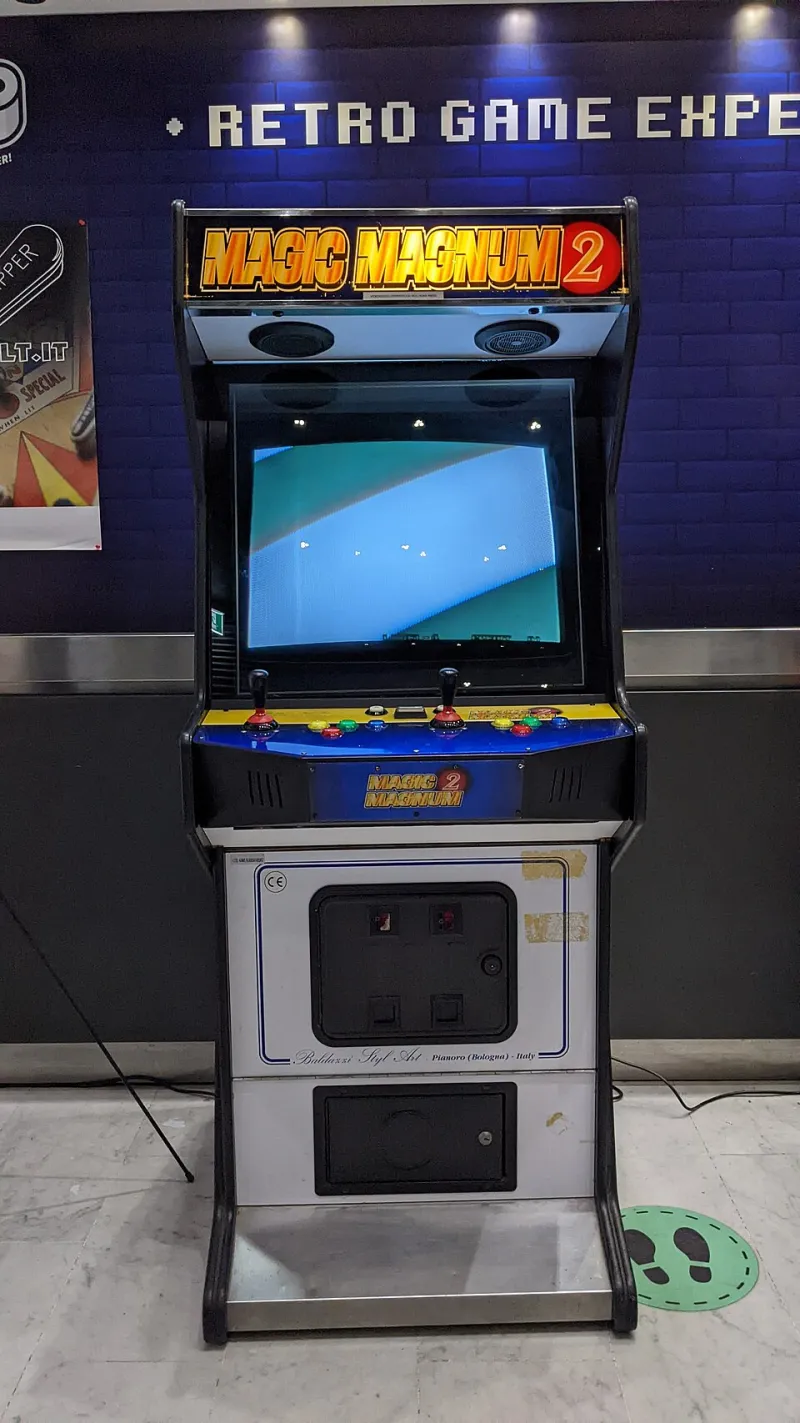
Somewhere around 2012, the consensus was pretty settled: arcades were done. The last of the big chains had folded or shrunk into sad little corners of movie theater lobbies. The cabinets that survived were either dusty relics in pizza joints or being auctioned off to collectors who stored them in garages. Nobody was opening new ones. Nobody was writing trend pieces about their return.
And then, somehow, they came back.
Not in a quiet, gradual way either. In certain cities — Chicago, Austin, Portland, Nashville, even smaller markets like Columbus and Raleigh — arcades started showing up again with real foot traffic, real revenue, and real cultural buzz. The question worth asking isn't just that it happened, but how. Because the forces that drove the arcade renaissance are actually kind of fascinating, and they say a lot about where American entertainment culture is right now.
The Backlash Nobody Officially Declared
You won't find a formal movement against mobile gaming. There was no manifesto, no organized pushback. But if you were paying attention around 2015 to 2018, something was quietly shifting in how people talked about their phones — and specifically about the games on them.
Free-to-play mechanics, loot boxes, energy timers, and pay-to-win structures had quietly made mobile gaming feel like a chore. Games designed to extract money through friction rather than reward skill started generating real resentment, even among casual players. The conversation about predatory monetization got loud enough to reach Congress at one point.
Into that frustration walked the arcade — a format where the transaction is completely transparent. You put in a dollar, you play until you lose. No subscriptions, no surprise charges, no notifications begging you to come back. For a generation exhausted by dark patterns, the simplicity of an arcade cabinet started feeling almost radical.
That emotional contrast mattered more than most industry analysts gave it credit for.
Indie Culture Did the Groundwork
The indie game boom of the late 2000s and early 2010s quietly rehabilitated the aesthetic of classic arcade games. Titles like Geometry Wars, Hotline Miami, Spelunky, and later Cuphead celebrated the visual language and mechanical design of arcade-era games — tight loops, punishing difficulty, pixel art, score chasing. These weren't throwback products marketed to older players. They were genuinely popular with younger audiences who had never dropped a quarter into a Galaga machine.
What indie games accomplished, almost accidentally, was making arcade sensibilities feel current rather than dated. By the time someone who grew up on Shovel Knight walked into a barcade and saw a row of original cabinets, they weren't looking at ancient history. They were looking at the source material for games they already loved.
That reframing was huge. It converted arcades from nostalgia objects into something closer to cultural artifacts worth engaging with.
Social Media Gave It a Stage
Instagram and TikTok didn't cause the arcade revival, but they absolutely accelerated it. Arcades are genuinely photogenic spaces — neon lighting, glowing screens, retro cabinet art, the glow of a claw machine stuffed with prizes. They generate content almost effortlessly.
Operators who understood this started designing their spaces with the camera in mind. Not in a cynical, manufactured way, but by leaning into the visual richness that was already there. A well-lit row of cabinets in a dark room is just a good photo. A competitive moment at a fighting game cabinet makes a natural short video clip.
The ripple effect was real. Venues that got tagged in enough posts started drawing visitors who had never thought about arcades before. Younger players — the Gen Z crowd that everyone assumed would never care — showed up because the vibe looked appealing, and then stayed because the games were actually fun.
According to data tracked by the American Amusement Machine Association, the number of new amusement venue openings in the US ticked upward for several consecutive years through the early 2020s, reversing a decline that had lasted nearly two decades. Revenue per location at hybrid venues — the so-called "barcade" model that combines arcade games with craft drinks — consistently outperformed traditional entertainment categories in urban markets.
Millennials and Gen X Brought the Money
Let's be honest about the economics: the arcade revival was partly funded by people in their 30s and 40s who suddenly had disposable income and a hunger for experiences that felt meaningful rather than transactional.
Millennials in particular have been widely documented as preferring experience spending over material purchases. A night out at an arcade — especially one with a full bar and a competitive multiplayer setup — hits multiple boxes at once. It's social, it's tactile, it generates stories, and it carries just enough nostalgia to feel emotionally resonant without tipping into pure sentimentality.
Gen X played a quieter but equally important role. This is the generation that actually grew up in arcades during their peak years in the late 70s and 80s. When venues started reopening with original cabinets from that era, the response from 45-to-55-year-olds was intense in a way that surprised even the operators. People weren't just playing games — they were genuinely moved by the experience of standing in front of a machine they hadn't seen in 30 years.
That emotional depth gave arcades something that most entertainment venues struggle to manufacture: genuine meaning.
What the Numbers Actually Look Like
The data, where it exists, is encouraging without being overwhelming. The Family Entertainment Center market — which includes arcades as a significant segment — has been valued in the multi-billion dollar range in the US, with consistent growth projections through the mid-2020s. New venue concepts continue to open in mid-sized cities that were previously considered too small to support them.
The barcade model has proven particularly durable. By pairing arcade games with alcohol revenue, operators solved the fundamental unit economics problem that plagued traditional arcades: individual game revenue is too low to sustain high-rent urban locations on its own. Add a full bar, and the math works.
Virtual reality integrations, competitive esports corners, and retro-themed events have all added additional revenue layers that keep venues from depending entirely on quarter-drops.
It's Not a Nostalgia Story
Here's the thing that gets missed in most coverage of the arcade revival: framing it purely as nostalgia undersells what actually happened.
Yes, nostalgia is part of it. But arcades came back because they genuinely offer something that modern gaming often doesn't — physical presence, social spontaneity, and a clean transaction with no strings attached. Those aren't sentimental values. They're practical ones, and they resonate with players of all ages.
The generation that's discovering arcades for the first time right now doesn't have any nostalgia to draw on. They're just finding out that standing next to a stranger and competing on the same screen, in the same room, is a different experience than anything their phone can offer.
Turns out that was always true. It just took a while for the rest of the culture to remember it.