Screens Everywhere, Quarters Nowhere: How Streaming Rewired the American Arcade
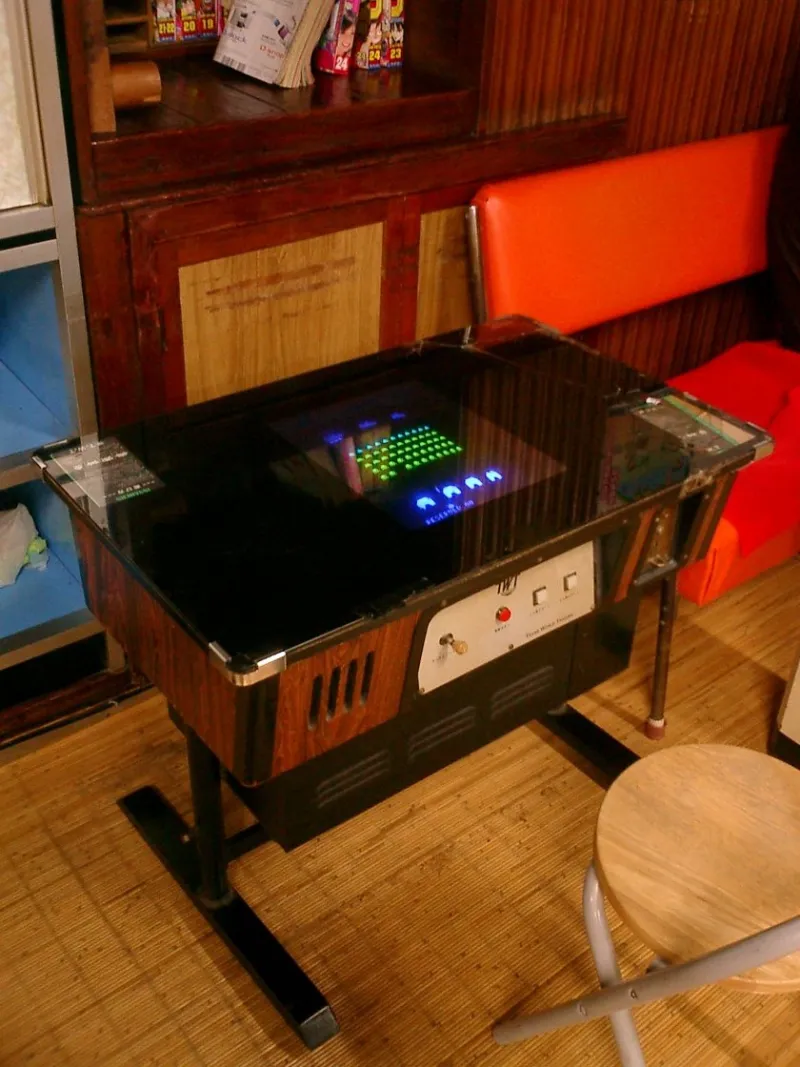
Photo: TurnOnTheNight, CC BY-SA 4.0, via Wikimedia Commons
The Couch Is Winning — For Now
Picture a Saturday night in 2012. A strip mall arcade in suburban Ohio is packed. Tokens are flying, high scores are being chased, and somebody's dad is embarrassing himself at Street Fighter. Fast forward to today, and that same strip mall probably has a nail salon where the arcade used to be.
Streaming didn't pull the trigger on the traditional arcade, but it definitely loaded the gun. When Twitch exploded into mainstream culture and platforms like YouTube Gaming gave anyone with a decent PC the ability to broadcast their gameplay to thousands, the living room became the most entertaining room in the house. Why drive twenty minutes to pump quarters into a machine when you can watch a streamer do it better, funnier, and for free?
The numbers back this up. According to industry estimates, the number of traditional coin-op arcades in the United States dropped by more than 60% between 2000 and 2020. Streaming didn't cause all of that decline — home consoles, smartphones, and plain old economics played their part — but it accelerated the cultural shift that made the arcade feel, to a lot of younger Americans, like a relic.
"My kids know what an arcade is from TikTok videos," says Marcus Delray, who runs a small barcade in Columbus. "They think it's retro before they've ever set foot in one. That's the streaming effect. It frames everything as content first, experience second."
The Paradox Nobody Saw Coming
Here's the twist, though: streaming also accidentally kept arcade culture alive.
When speedrunners started broadcasting their attempts to demolish classic arcade titles on Twitch, they weren't just entertaining — they were advertising. Thousands of viewers who'd never touched a joystick suddenly wanted to. Retro gaming channels on YouTube sent curious viewers down rabbit holes that ended at local barcades and collector shows. The nostalgia economy, supercharged by streaming content, created demand for physical arcade experiences that operators hadn't anticipated.
"We got a surge of new customers in 2019 that we genuinely couldn't explain at first," says Priya Nath, who co-owns a retro arcade bar in Austin. "Then we started asking people how they found us. Almost universally, it was a YouTube video or a Twitch stream. Someone watched a streamer play Galaga and thought, 'I want to do that for real.'"
This is the central paradox of streaming's relationship with arcades: it's simultaneously the industry's biggest competitor and its most effective marketing channel. The same platforms that keep people home are also the ones generating nostalgia-fueled curiosity that puts bodies through arcade doors.
Esports Venues Are Playing a Different Game
While traditional arcades wrestled with streaming's pull, a new category of venue emerged that leaned into it completely. Esports arenas and competitive gaming lounges started popping up in major metros, designed not to compete with streaming but to host it.
Places like Nerd Street venues and various regional esports centers figured out something important: people don't just want to watch streams, they want to be part of them. Hosting local tournaments that get broadcast on Twitch, setting up camera rigs so players can feel like pros, offering production setups for aspiring content creators — these venues essentially became IRL streaming studios with an arcade layer built on top.
"We're not really competing with someone's home setup," explains Jordan Taft, who manages an esports lounge in Atlanta. "We're competing with going to a bar or a bowling alley. The question we ask is: why should someone leave their house? And the answer has to be community, competition, and an experience that doesn't translate to a screen."
That framing — arcade as social venue rather than gaming destination — is reshaping how operators think about their businesses. The games are almost secondary to the atmosphere.
What Streamers Actually Think About Arcades
Ask a mid-tier Twitch streamer about arcades and you'll get a surprisingly warm response. Many of them grew up in the tail end of the arcade era and carry genuine affection for the format. More practically, arcades make great content.
A streamer walking through a barcade, reacting to classic machines, competing with their chat on a physical leaderboard — that's engaging in a way that another night of Fortnite just isn't. The tactile reality of an arcade cabinet, the sounds, the lights, the other people in the background — it all translates well to camera.
"I've done three arcade streams and they consistently outperform my regular content," says one mid-level variety streamer who asked to remain anonymous. "There's something about the energy of a physical space that you just can't fake. People in the chat feel like they're there."
Some forward-thinking arcade operators have started building streaming infrastructure directly into their venues — dedicated booths with ring lights, capture cards, and branded backdrops. They're not just hosting players; they're hosting content creators. The arcade becomes part of the stream, which becomes advertising for the arcade. It's a feedback loop that the old coin-op model never imagined.
The Experience Gap No Algorithm Can Close
For all of streaming's dominance, there's one thing it genuinely cannot replicate: the feeling of losing to a stranger standing next to you and immediately wanting a rematch.
Arcade culture was always built on proximity. The social contract of the arcade — watching someone else play, waiting your turn, talking trash in a friendly way, celebrating a ridiculous score — is fundamentally physical. It requires bodies in a room. No amount of chat interaction or Discord community fully substitutes for that.
Operators who understand this are surviving, and some are thriving. The ones packaging their venues as social experiences rather than gaming utilities — adding craft beer, live events, themed nights, local tournament series — are finding audiences that streaming simply can't serve.
"Streaming gave people a way to consume games alone," says Delray. "We give them a reason to consume games together. Those are two completely different products. We just had to figure out that we weren't competing with Netflix. We were competing with going out."
Streaming may have fundamentally changed American gaming culture, but it hasn't eliminated the human need to share an experience in real time, in real space. The arcades that recognize that distinction aren't dying. They're evolving — and some of them are doing it on camera.