Is That Game Actually Worth It? How Players Are Getting Smarter About Spending

Photo: François Boucher, Public domain, via Wikimedia Commons
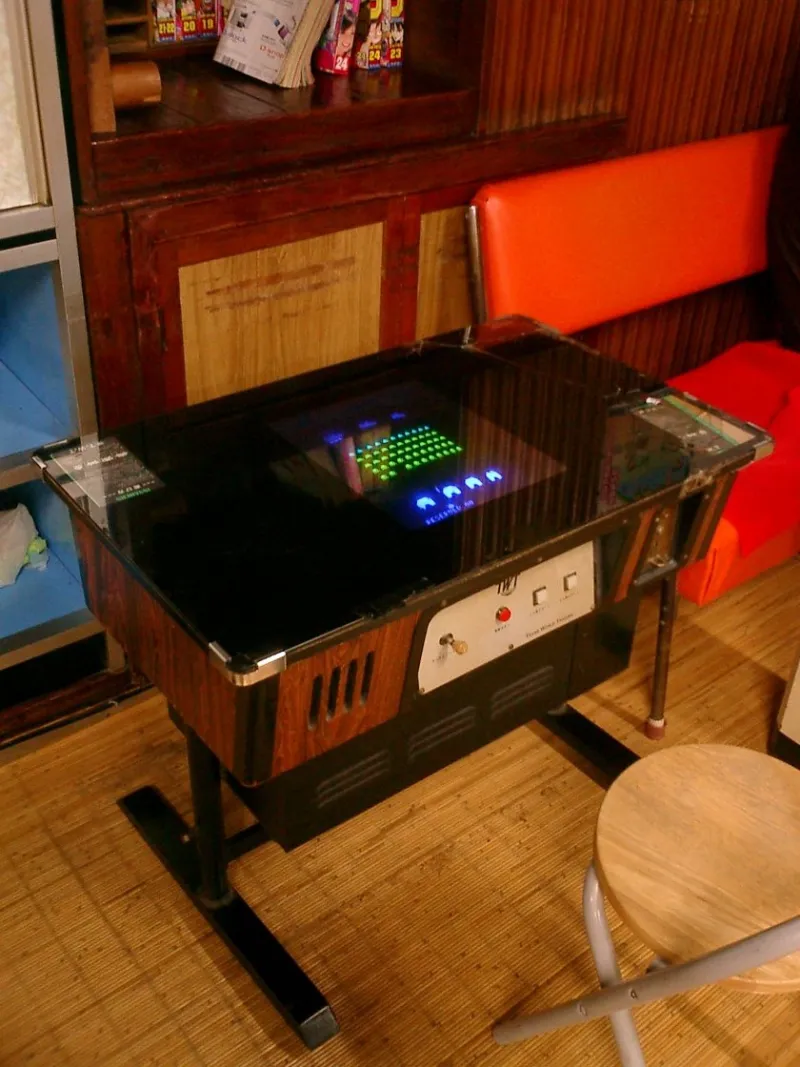
Back when arcades ruled the entertainment landscape, the math was simple. You handed over a quarter, you got a few minutes of fun, and you decided on the spot whether it was worth another coin. These days, the equation is a whole lot messier. A game might cost $70 at launch, or nothing upfront with a season pass waiting around the corner, or somewhere in between with a "free" mobile version that quietly drains your bank account over six months.
So how do gamers actually decide what deserves their time and money? Turns out, the answer is part psychology, part social media, and part gut instinct — and it's evolving faster than most developers can keep up with.
The Mental Calculus Behind Every Purchase
Ask a gamer why they bought their last title, and you'll get a dozen different answers. But researchers who study consumer behavior point to a few consistent patterns. One of the biggest is what psychologists call the cost-per-hour framework — essentially, breaking a game's price down by how many hours of entertainment it's likely to deliver.
A $60 RPG that keeps you busy for 80 hours feels like a bargain compared to a $30 indie platformer you'll finish in four. By that logic, a massive open-world game is practically printing money in entertainment value. But here's where it gets interesting: hours alone don't tell the whole story. Players also weigh quality of those hours. Grinding through repetitive fetch quests to pad a playtime number doesn't feel like value — it feels like a chore.
"I used to buy every big release on day one," said Marcus, a 29-year-old gamer from Columbus, Ohio, who describes himself as a recovering impulse buyer. "Now I ask myself: is this actually fun, or does it just have a lot of content? Those aren't the same thing."
Free-to-Play Changed Everything (And Not Always for the Better)
The rise of free-to-play games over the past decade fundamentally rewired how players think about value. When a game costs nothing to download, the barrier to entry disappears — but a new psychological game begins the moment you're inside.
Free-to-play monetization is built on behavioral science. Limited-time offers create urgency. Battle passes reward consistent engagement. Cosmetic items tap into social identity. The model works spectacularly well for publishers, generating billions annually from titles like Fortnite, Apex Legends, and countless mobile games. But players are wising up.
A growing segment of the gaming community has developed what you might call free-to-play fatigue — a wariness toward any game with a suspiciously low upfront cost. Forums, subreddits, and Discord servers are full of threads where players dissect a new game's monetization structure before they even try the gameplay. "Is this pay-to-win?" has become one of the first questions asked about any new free title.
The irony is that some players now actively prefer paying a flat fee upfront. A premium price tag, paradoxically, can signal trustworthiness — a promise that the experience isn't designed to nickel-and-dime you into oblivion.
Streaming Culture and the New Word-of-Mouth
If there's one force that's reshaped game purchasing decisions more than anything else in recent years, it's streaming. Platforms like Twitch and YouTube have turned gameplay into spectator sport, and that has massive implications for what people decide to buy.
The "streamer effect" is real and well-documented. When a popular content creator picks up a title, sales can spike overnight. Games like Among Us and Lethal Company didn't just succeed — they exploded — largely because they were visually entertaining and socially engaging to watch. They were built, intentionally or not, for the streaming era.
For everyday players, watching a few hours of gameplay before purchasing has become standard due diligence. It's the modern equivalent of reading the back of the box, except infinitely more informative. You can see exactly how a game feels, how its pacing holds up, whether the combat gets repetitive, and whether the story is worth caring about — all before spending a dime.
"I basically use Twitch as a demo service," admitted Priya, a 24-year-old from Austin who games casually on weekends. "If I can't find someone streaming it, I'm probably not buying it."
This creates a fascinating feedback loop. Games that are fun to watch get more exposure, which drives more purchases, which funds sequels — regardless of whether they're necessarily the deepest or most innovative experiences available.
The Backlog Problem Nobody Wants to Talk About
Here's a dirty secret of modern gaming: most people aren't even playing the games they already own. Steam libraries stuffed with hundreds of unplayed titles, PlayStation Plus downloads gathering digital dust, mobile games deleted after two sessions — the backlog has become a cultural phenomenon.
Sales like Steam's seasonal events have trained players to buy games they have no immediate intention of playing, simply because the price feels too good to pass up. The result is a generation of gamers who technically own more content than they could consume in a lifetime but still feel the pull to add more.
Psychologists describe this as the endowment effect meeting FOMO in a perfect storm. Owning a game, even unplayed, feels like having access to an experience. Missing a sale feels like losing something you never had. The game industry, consciously or not, has built its entire promotional calendar around exploiting both.
So What Actually Makes a Game Worth It?
After all the psychology and market analysis, the answer is refreshingly human: it depends on you. A $70 game that you play for 200 hours with friends, that you talk about for years, that becomes part of your personal history — that's an extraordinary value by any measure. A $5 impulse buy that bores you in 20 minutes is a waste regardless of the price.
What's changed is that players have more tools than ever to make informed decisions. Review aggregators, streaming platforms, community forums, and even refund policies have shifted power toward the consumer. The days of buying a game based solely on box art and a magazine blurb are long gone.
The smartest players today treat gaming like any other significant entertainment investment. They do their homework, they trust their instincts, and they've learned — sometimes the hard way — that hype is not the same as quality.
In a landscape full of noise, that kind of discernment might be the most valuable skill a gamer can develop.