The Quarter-Muncher That Saw the Future: How One Classic Arcade Title Quietly Invented Modern Gaming
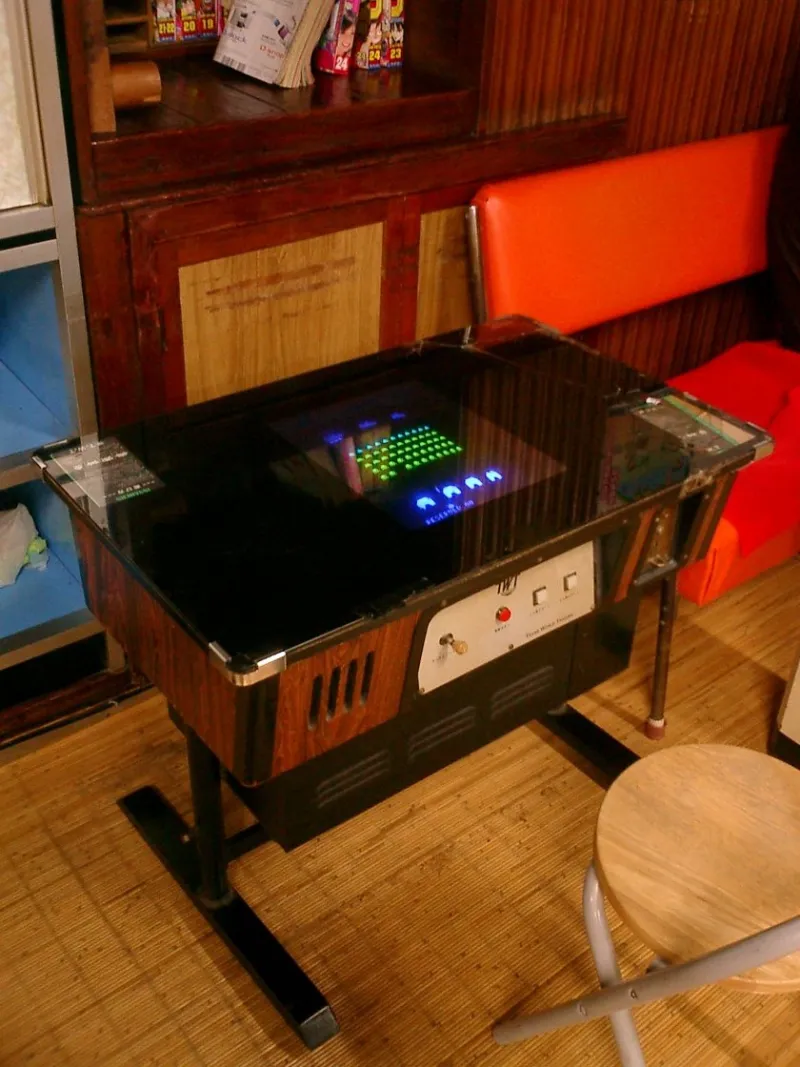
Photo: Tomomarusan, CC BY 2.5, via Wikimedia Commons
Most conversations about gaming history follow a pretty familiar script. Pong invented the industry. Space Invaders proved it could be massive. Pac-Man made it a cultural phenomenon. Donkey Kong gave us a hero. The story gets told in landmarks, and those landmarks tend to crowd out everything else.
But here's what that tidy narrative misses: some of the most influential games ever made are the ones that didn't become household names. They came and went from arcade floors without generating much buzz, their hardware eventually stripped for parts or left to collect dust in storage rooms. And yet, embedded in their code, were ideas that the entire industry would eventually catch up to.
Gauntlet — Atari's 1985 dungeon crawler — is one of those games. And its influence on what gaming became is almost absurdly underappreciated.
What Gauntlet Actually Was
On the surface, Gauntlet looked like a fantasy-themed shooter with a simple hook: you picked a character class — Warrior, Valkyrie, Elf, or Wizard — and fought your way through an endless series of monster-filled rooms. Enemies poured out of generators. Health ticked down constantly, whether you were taking hits or not. The only way to survive longer was to keep feeding the machine quarters.
That last part made it controversial at the time. Critics called it exploitative. Arcade operators loved it. Players kept coming back anyway, because something about Gauntlet felt different from everything else on the floor.
What felt different, it turns out, was the structure. Gauntlet wasn't really about reflexes the way most arcade games were. It was about resource management, class roles, and cooperative strategy. Those are concepts that would come to define RPGs, MMORPGs, and eventually the entire looter-shooter genre. In 1985, they were basically unheard of in an arcade context.
The Four-Player Factor
Gauntlet supported four simultaneous players. This sounds like a minor technical detail. It was actually revolutionary.
Most arcade games of the era were either solo experiences or two-player competitive matchups. Gauntlet flipped that entirely. Four strangers could crowd around a single cabinet and immediately become a team, each filling a distinct role. The Warrior absorbed damage. The Elf moved fast and hit hard from range. The Wizard nuked crowds. The Valkyrie balanced offense and defense.
Does that sound familiar? It should. That's the basic template for every party-based RPG and cooperative shooter that came after it — from Diablo to World of Warcraft to Destiny. The tank-healer-DPS framework that organizes cooperative play across dozens of modern games traces a direct line back to a cabinet that Atari shipped to bowling alleys and pizza joints across America.
Game designer and historian Kate Willaert, who has written extensively about arcade history, has noted that Gauntlet essentially prototyped the social dynamics that MMO designers would spend the late '90s and early 2000s trying to engineer deliberately. Gauntlet stumbled into it almost accidentally, and it worked immediately.
Permadeath Before Anyone Called It That
Here's another thing Gauntlet did that felt strange at the time and looks prescient now: it made death feel genuinely consequential without making the game unplayable.
Your health didn't just drop when enemies hit you — it drained continuously. Standing still was a slow death sentence. Running out of food (the game's health pickup) meant watching your character fade away in real time. You could be revived if a teammate had resources to spare, but nobody was obligated to help you.
This created a tension that most arcade games didn't bother with. Losing a life in Pac-Man or Donkey Kong was a reset. Losing health in Gauntlet was a gradual, social, negotiated experience. Do you spend your last food potion on yourself or your struggling teammate? Do you risk a dangerous room to grab resources, or play it safe and slowly starve?
Those are the exact psychological levers that modern roguelikes and survival games pull constantly. The genre of permadeath-adjacent games — Hades, Dead Cells, The Binding of Isaac — is built on the emotional weight of resource decisions and the creeping dread of an inevitable end. Gauntlet was doing that in arcades while Reagan was still in his first term.
The Narrative Trick Nobody Noticed
Gauntlet also had a narrator. A voice that would call out your health status, identify enemies, and occasionally taunt you. "Elf needs food badly" became one of the most quoted lines in early gaming culture, partly because it was funny and partly because it was genuinely useful information delivered in an unexpected way.
That voice created something subtle but important: ambient storytelling. The game wasn't pausing to deliver exposition. It was building a world through reactive commentary, rewarding attention and punishing neglect. Environmental storytelling and reactive narration — hallmarks of modern game design — were being experimented with in a game that most people remember primarily for eating quarters.
Why the Credit Never Came
So why isn't Gauntlet discussed in the same breath as the genre-defining classics?
Part of it is timing. Gauntlet arrived right as the home console market was taking off, and the critical conversation shifted away from arcades almost immediately. Part of it is aesthetics — Gauntlet wasn't as visually iconic as its contemporaries, and it didn't have a mascot that could anchor a franchise.
And part of it is just the nature of influence. The games that borrowed from Gauntlet didn't necessarily know they were doing it. The mechanics diffused into the culture gradually, adopted and adapted by designers who may never have played the original. By the time cooperative RPGs and class-based shooters became dominant genres, the trail back to a four-player arcade cabinet had gone cold.
But the trail is there. And the next time you're grinding through a dungeon with three friends, each filling your designated role, watching your resources tick down while the environment throws everything it has at you — know that someone figured all of that out on an Atari cabinet, almost forty years ago, in a pizza place somewhere in America.