Vintage Arcade Cabinets Are Selling for Five Figures — Here's Why Collectors Are Going All In
Photo: State Library of Queensland, Australia, No restrictions, via Wikimedia Commons
There's a certain kind of person who can walk into a garage sale, spot a beat-up wooden cabinet with a faded marquee, and immediately feel their pulse quicken. They're not seeing junk. They're seeing a potential goldmine. And in 2024, that instinct is paying off more than ever.
The market for vintage and limited-edition arcade cabinets has gone from a niche hobby to a full-blown collector's economy. Original Donkey Kong uprights, mint-condition Pac-Man cocktail tables, and rare regional releases that never made it past a few hundred units are changing hands for sums that would make your average gamer's jaw drop. We're talking anywhere from a few thousand dollars for a well-maintained classic to well north of $20,000 for the rarest finds.
So what exactly is driving this surge — and who's doing the buying?
Scarcity Is the Name of the Game
Here's the thing about arcade cabinets: they were never meant to last forever. Manufacturers built them for commercial use, not preservation. Operators ran them into the ground, and when a title stopped pulling quarters, the machine often got junked, stripped for parts, or buried in a warehouse. Nobody in 1982 was thinking, hey, let's keep this pristine for the collectors of 2024.
That disposable mindset created a supply problem that's only getting worse. Every year, more original cabinets get damaged beyond repair, converted into home bartop units, or lost entirely. Meanwhile, demand keeps climbing — fed by nostalgia, YouTube restoration channels, and a growing community of enthusiasts who treat these machines the way others treat classic cars.
Limited-edition releases compound the issue. Certain titles were produced in extremely small quantities, either because they were regional exclusives, prototypes, or commercial flops that got pulled from production early. A game that bombed at the arcade in 1986 might now be extraordinarily valuable precisely because so few exist. Scarcity and desirability don't always move in the same direction, but when they do, prices go vertical.
The Authentication Problem Nobody Talks About
With big money comes big temptation, and the arcade collecting world has developed a real authenticity problem. Reproduction parts, re-shelled cabinets, and outright fakes have flooded certain corners of the market. A seller might advertise an "original" cabinet that's actually a generic shell retrofitted with reproduction artwork and a modern board running emulation software. To a casual buyer, it looks right. To an experienced collector, it's a disaster.
Knowledgeable collectors have developed a kind of forensic eye for these things — checking serial numbers, examining the wood grain and joinery, testing whether the PCB (printed circuit board) matches the original manufacturer's spec. Some even bring portable oscilloscopes to verify that the hardware is genuinely period-correct. It sounds extreme until you realize someone just dropped $15,000 on what they thought was an original Tempest cabinet.
Online communities, particularly on Reddit and dedicated forums, have become informal authentication networks where photos get scrutinized and provenance gets debated. The community polices itself pretty aggressively, and sellers who get caught misrepresenting machines tend to get blacklisted fast.
Who's Actually Buying These Things?
The collector base is more diverse than you might expect. Sure, there are the hardcore purists — people who grew up pumping quarters into these machines and want to own a piece of that history. But there's also a newer wave of buyers who are approaching cabinets as straight-up investments, the same way people buy sneakers or trading cards with an eye toward resale.
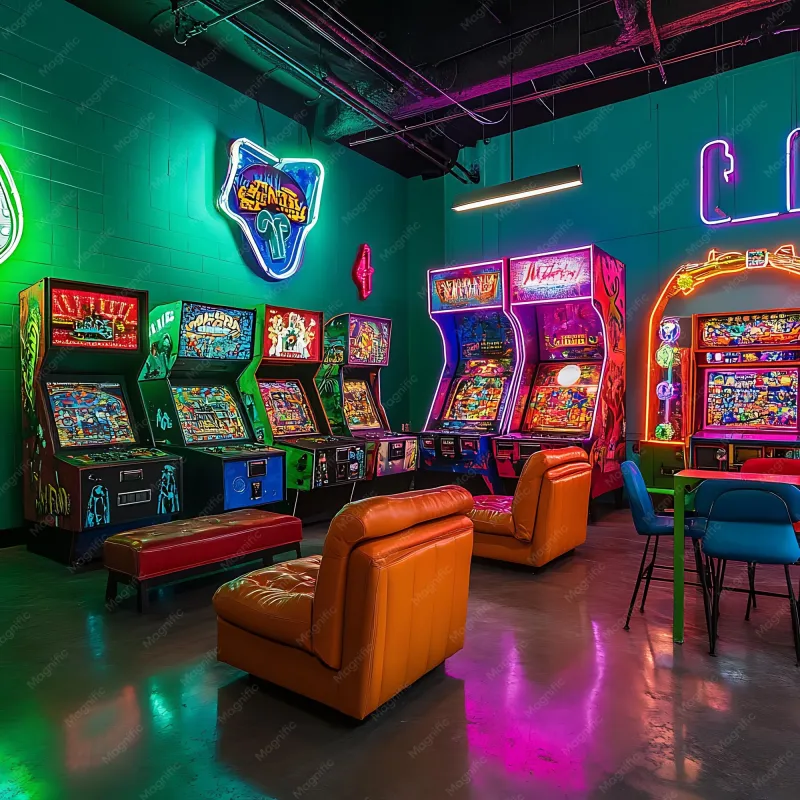
Bar and restaurant owners represent another significant buyer segment. The "barcade" boom has created commercial demand for authentic vintage hardware that looks good on Instagram and gives venues a point of differentiation. A functioning original Street Fighter II cabinet in the corner of a cocktail bar isn't just decoration — it's a conversation piece that drives social media content and repeat visits.
And then there are the restorers, a passionate subset who buy damaged or incomplete machines specifically to bring them back to original condition. For them, the hunt is as much about the process as the end result. Tracking down an original monitor bezel, sourcing correct-spec capacitors for a board recap, finding NOS (new old stock) control panel overlays — it's a deep rabbit hole that can consume years and considerable cash.
The Hunt: Where Do These Machines Actually Come From?
Finding quality cabinets requires patience, connections, and a willingness to drive long distances on short notice. Estate sales remain one of the best sources — families clearing out the belongings of someone who ran a small business or just had a serious hobby often don't know what they have, which occasionally means fair prices. Storage unit auctions, while increasingly picked over, still surface machines from time to time.
Dealers who specialize in arcade equipment have become important nodes in the ecosystem, acting as aggregators who buy rough machines, do basic restoration work, and resell at a markup. The markup is real — sometimes substantial — but buyers often pay it for the convenience of getting a machine that's been tested and cleaned up rather than gambling on an untested find.
Online platforms like eBay and Facebook Marketplace have made the market more accessible but also more competitive. A desirable machine listed in a small town in rural Ohio will get spotted by collectors in California and New York within hours. The geographic advantage that local hunters used to enjoy has largely evaporated.
Is This a Bubble?
Fair question. Any time a collector market heats up this fast, people start wondering when the correction is coming. The honest answer is: nobody knows. The fundamentals — shrinking supply, growing nostalgia-driven demand, commercial interest from barcade operators — seem durable. But markets are weird, and tastes shift.
What seems clear is that the very top tier of the market, the genuinely rare and historically significant machines, has staying power. A working original Battlezone or a confirmed prototype cabinet isn't going to become worthless. The middle of the market, where lots of common titles in average condition trade hands, is more vulnerable to sentiment swings.
For now, though, the coin-op collector community is riding a wave — and at 125520 Arcade, we're here for every frame of it.