From Mall Anchors to Nowhere: The Unlikely Journey of the American Arcade Cabinet
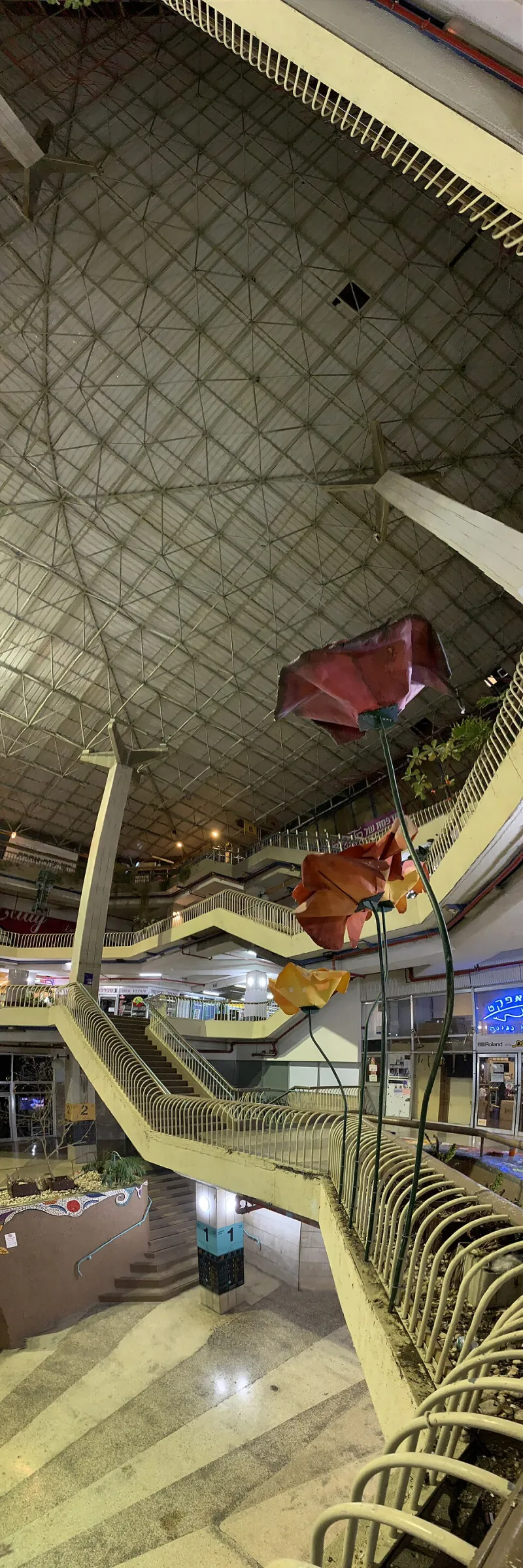
Photo: Yitzilitt, CC BY-SA 4.0, via Wikimedia Commons
There's a particular kind of silence that settles over a dead mall. The food court chairs are stacked. The skylights are grimy. And somewhere near the old JCPenney wing, if you look close enough, you can still make out the scuff marks on the linoleum where an arcade used to be — tokens, fluorescent light, the whole deal.
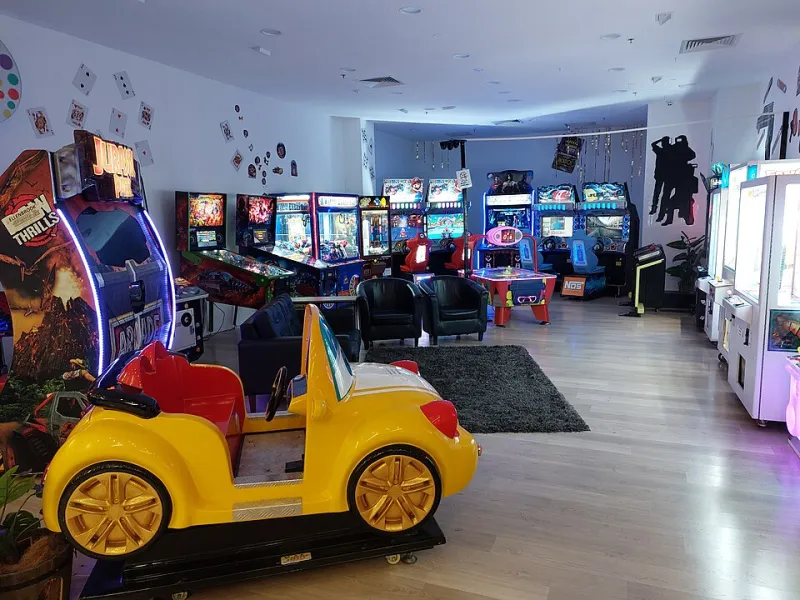
For about two decades, that scene played out in hundreds of American cities. Malls didn't just lose department stores. They lost their arcades, too. And the machines didn't exactly disappear quietly.
The Real Estate That Built an Industry
To understand where the games went, you have to understand why they were in malls to begin with. It wasn't nostalgia or coincidence — it was pure foot traffic math.
Mall developers in the 1980s and early '90s actively courted arcade operators as anchor tenants or secondary draws. Arcades kept teenagers in the building longer, which meant more impulse purchases at surrounding stores. Operators, in turn, got cheap square footage and a built-in audience that showed up every single weekend without being asked.
Bowling alleys ran a similar playbook. A few machines near the shoe rental desk, a cluster by the snack bar — low overhead, decent margins, and customers already in a leisure mindset. It worked beautifully for years.
Then the math stopped adding up.
The Slow Collapse and What It Cost
Retail analysts have been tracking mall vacancies since the early 2000s, but the real gut-punch came between 2010 and 2020. Anchor stores — Sears, JCPenney, Macy's — started closing locations at a pace that nobody in commercial real estate had modeled for. When the anchor leaves, foot traffic drops. When foot traffic drops, everyone else struggles. Arcades, which ran almost entirely on walk-in volume, felt it fast.
"We had three locations inside malls in the Southeast," said one independent operator who's been running arcade businesses since the late '90s. "By 2015, two of them were basically dead weight. The mall was still technically open, but you could shoot a cannon through there on a Saturday afternoon and not hit anyone."
He closed those locations within 18 months of each other. The cabinets — some of them worth real money, others barely functional — had to go somewhere.
That's the part of the story that doesn't get told enough. The displacement of the machines themselves created a secondary market chaos. Used cabinets flooded auction sites and local classifieds. Operators were selling off inventory just to recoup storage costs. Collectors had a field day, but for the businesses behind those machines, it was genuinely painful.
Not Everyone Ran for the Exit
Here's where it gets interesting. Some operators didn't retreat — they pivoted hard, and the moves they made ended up reshaping what the American arcade looks like today.
A handful of entrepreneurs started scouting non-traditional locations almost immediately. Breweries were an early target. The craft beer boom of the early 2010s created hundreds of taprooms across the country, and many of those owners were the exact same demographic that grew up pumping quarters into Street Fighter cabinets. The cultural overlap was obvious. A few arcade operators cold-called brewery owners and offered revenue-share arrangements on machines. It worked well enough that the model spread.
Bars followed. Then restaurants with dedicated game rooms. Then standalone "barcade" concepts that built the entire business around the combination.
"The mall was always a compromise location," argued one entrepreneur who now runs a successful barcade in the mid-Atlantic region. "You were borrowing someone else's foot traffic. When we opened our own place, we owned the experience entirely. The games weren't a side attraction — they were the point."
That shift in positioning — from entertainment side dish to main event — turned out to be the industry's survival mechanism.
The Bowling Alley Exit Was Different
Bowling alleys presented a separate problem. Unlike malls, many bowling alleys didn't disappear — they just evolved. Some rebranded as entertainment centers, adding laser tag, escape rooms, and expanded food menus. The arcades within them shrank or got repositioned as part of a broader "family fun" package.
Operators who had machines in bowling alleys often found themselves renegotiating terms with venues that now had a lot more leverage. The bowling alley didn't need the arcade revenue as badly when it was selling a $40-per-person experience package. Margins tightened. Some operators walked away.
Others adapted by upgrading their machine mix — fewer aging cabinets, more redemption games tied to prize systems. Redemption games, where players win tickets exchangeable for merchandise, became the workhorse of bowling alley and family entertainment center arcades. They're less culturally interesting than a vintage fighting game, but they print money in family-oriented venues.
Where the Machines Actually Ended Up
So where did all those displaced cabinets go? The answer is genuinely scattered.
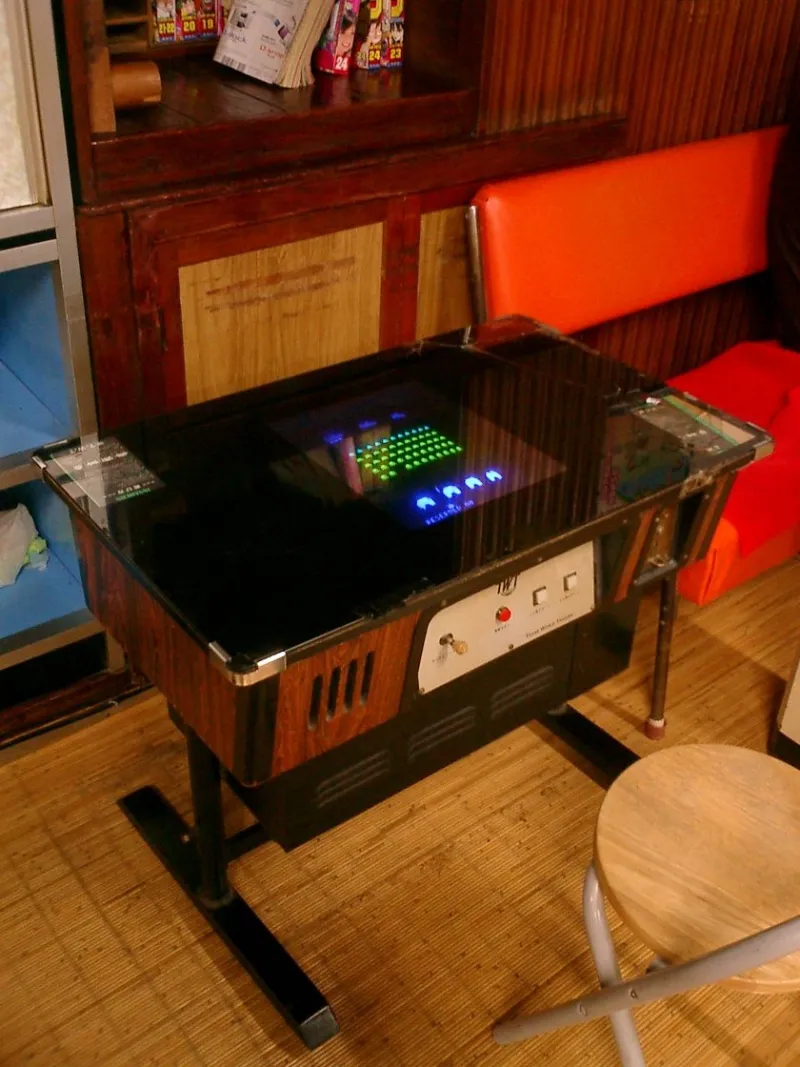
Some went to private collectors, ending up in basements and garages across the country. The home arcade movement — which has its own dedicated online communities and restoration hobbyists — absorbed a significant chunk of inventory that would have otherwise been scrapped.
Some went overseas. Export markets in Southeast Asia and parts of Latin America still had active arcade cultures when the American mall scene was collapsing, and brokers moved container loads of used machines to those markets throughout the 2010s.
Some got converted. Operators stripped out the original hardware and retrofitted cabinets with multi-game boards or modern emulation setups, extending the commercial life of machines that would otherwise be unviable.
And some, honestly, got junked. The economics of transporting, storing, and repairing older cabinets don't always pencil out, especially for machines that aren't culturally iconic enough to command collector premiums.
What Comes Next for the Physical Arcade
The operators who made it through the mall collapse generally share one trait: they stopped thinking about location as a given and started treating it as a strategic decision.
The best-performing arcades today are in destinations people choose deliberately — not places they wander into because they were already at the mall. That might be a well-marketed barcade in a revitalized urban neighborhood, a family entertainment center anchoring a suburban strip development, or a pop-up experience inside a convention or event space.
The physical footprint got smaller and smarter. The machines that survived are either genuinely excellent or genuinely nostalgic — sometimes both. The middle ground, the filler content that used to pad out a 10,000-square-foot mall arcade, mostly disappeared.
In a weird way, the death of the mall arcade might have forced the industry to figure out what it actually was. Not a real estate play. Not a foot traffic parasite. Something people actually want to seek out.
The scuff marks on that old mall floor are still there. But the games found somewhere better to be.