What a Home Arcade Really Costs in 2026: A Line-by-Line Reality Check
Photo: Henry Winkelmann, Public domain, via Wikimedia Commons
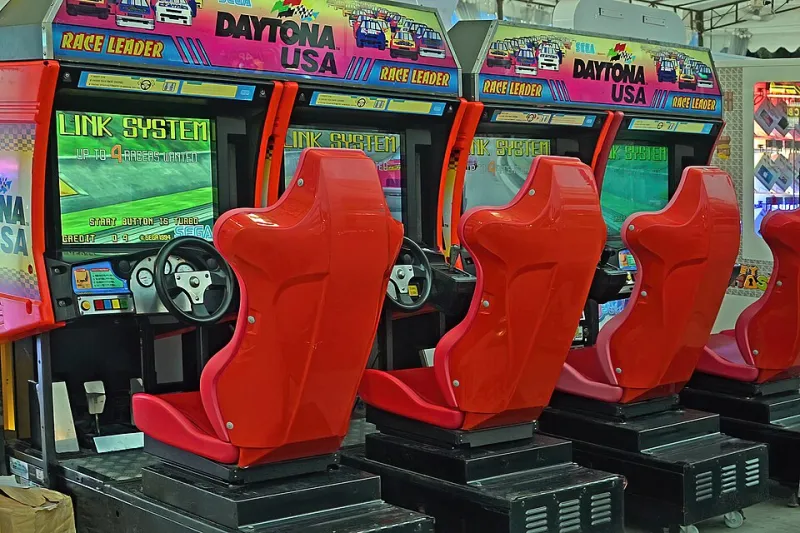
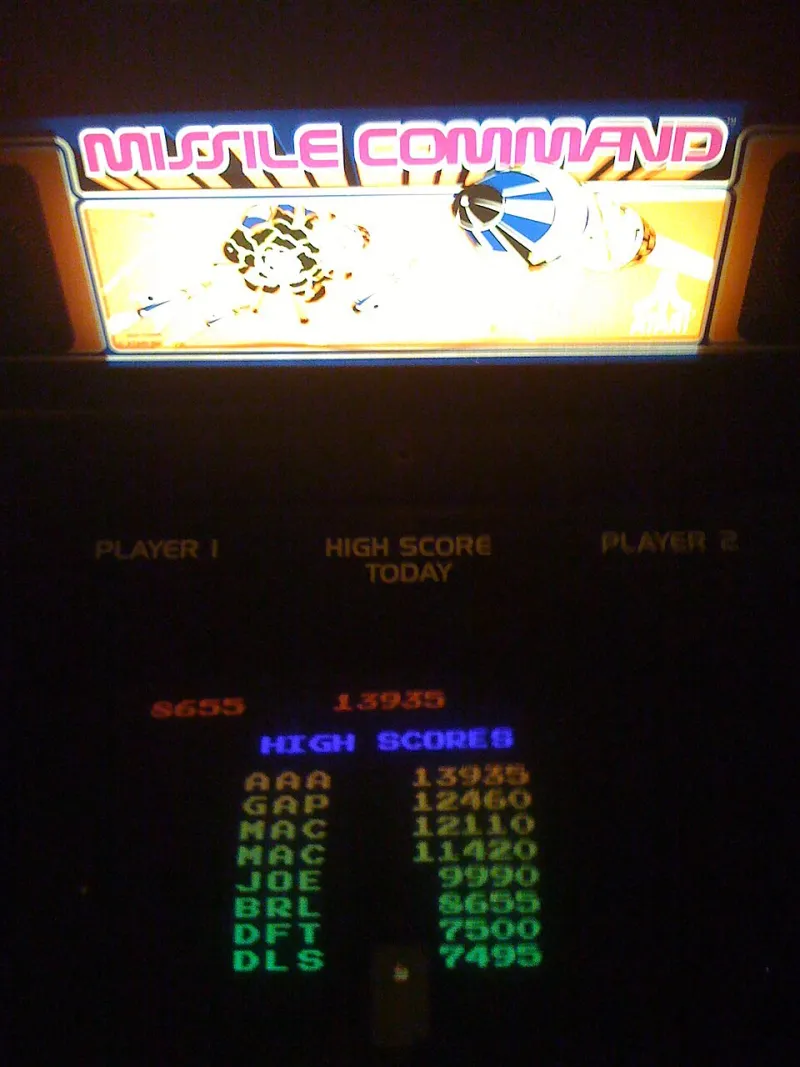
The fantasy home arcade is easy to picture: a dark room, a row of glowing cabinets, a neon sign, a few friends, and a fridge full of something cold. The real home arcade starts with a tape measure, an electrician, and a spreadsheet. At 125520 Arcade, we like big numbers, but only when they are itemized. Here is a no-fantasy look at what building a home arcade actually costs in the US in 2026.
This is not a sponsored shopping list. It is a reality check. Prices vary by region, condition, and how much of the work you can do yourself. The point is not to scare you off. The point is to keep you from buying four cabinets and then discovering that your spare room has one outlet and a doorway that is two inches too narrow.
Start With the Room, Not the Machines
The most common mistake is buying cabinets before checking the room. A standard arcade cabinet is heavy, deep, and awkward. Stairs, tight corners, low ceilings, and narrow doors can turn a $800 cabinet into a $1,200 moving problem. Measure the path from your front door to the room, not just the room itself.
Electrical is the next wall. A single cabinet can pull a few hundred watts; a row of them plus a CRT, a fridge, and lighting adds up. Many home arcade owners add dedicated circuits or at least spread the load across outlets. An electrician might charge $500 to $2,500 for added circuits and outlet placement, depending on your panel and how much wall you are willing to open. If your panel is already full, that number can climb fast.
Flooring matters more than people admit. Arcade cabinets are point-load heavy, and a rolling chair or a dropped tool can wreck cheap flooring. Luxury vinyl plank, rubber gym flooring, or carpet tiles are common choices. Budget $300 to $2,000 for a small room, more if you are paying for removal and leveling.
Cabinet Math: Original, Reproduction, Multicade
A restored original cabinet is the romantic choice. It is also the most variable. Common working cabinets can run $1,500 to $6,000 depending on title, condition, and region. Rare titles go higher. Project cabinets are cheaper — $200 to $800 — but restoration can eat the savings in a hurry. A new power supply, monitor repair, control panel rebuild, artwork, and T-molding add up.
Reproductions and kit builds sit in the middle. A quality reproduction cabinet or kit might run $3,000 to $6,000 before you add a monitor, controls, and a PC or board. Multicades are the budget route: $500 to $2,500 for a ready-to-play cabinet, though the low end often means a generic box with a small screen and controls that feel like they came from a cereal box.
Shipping and rigging are real costs. A single cabinet delivery can run $150 to $800, and stairs or narrow access can add more. If you are buying used, rent a truck and bring a friend, but budget for gas, straps, and a back brace.
The Line-Item Budget
A realistic modest home arcade — four to six cabinets, a small room, decent lighting — usually lands between $8,000 and $30,000. A tiny multicade corner can be done for $3,000 to $6,000. Here is where the money goes:
- Room prep and electrical: $500 to $2,500
- Flooring: $300 to $2,000
- Lighting and neon: $200 to $1,500
- Cabinets, three to five: $3,000 to $20,000
- Monitor repair or upscaling: $150 to $600 per screen
- Control parts and rebuild kits: $50 to $250 per player
- Moving, rigging, and delivery: $200 to $1,000
- Insurance rider: $100 to $400 per year
- Maintenance fund: $300 to $1,000 per year
- Dehumidifier or climate control: $150 to $700
The Hidden Money Pits
CRT monitors are beautiful and increasingly difficult to service. A cap kit is cheap; finding someone who will actually work on the chassis is not. Board failures, power supply drift, scratched glass, worn joysticks, and failing coin mechs are normal ownership costs. If you buy a project cabinet, assume it needs more than the seller says.
Insurance is easy to ignore until a pipe leaks on a row of cabinets. A homeowner’s policy may not cover a collection the way you expect. Ask about a rider or separate policy, and document serial numbers and photos. Also check local rules if you plan to charge friends for play, host tournaments, or run a home business. The moment money changes hands, the hobby starts looking like a business.
A Sensible Build Order
Measure the room. Call an electrician. Fix the floor before the cabinets arrive. Buy one working cabinet before you buy four projects. Put a power conditioner or surge protection on the row. Set aside a maintenance fund. Then expand. The best home arcade is not the one with the most machines. It is the one where every machine works when a friend walks in.
At 125520 Arcade, the number in our name is a reminder that exactness keeps the fun honest. A home arcade is not a fantasy. It is a budget with a neon sign on top.