Plastic Prizes, Real Margins: Inside the Redemption Arcade Money Machine
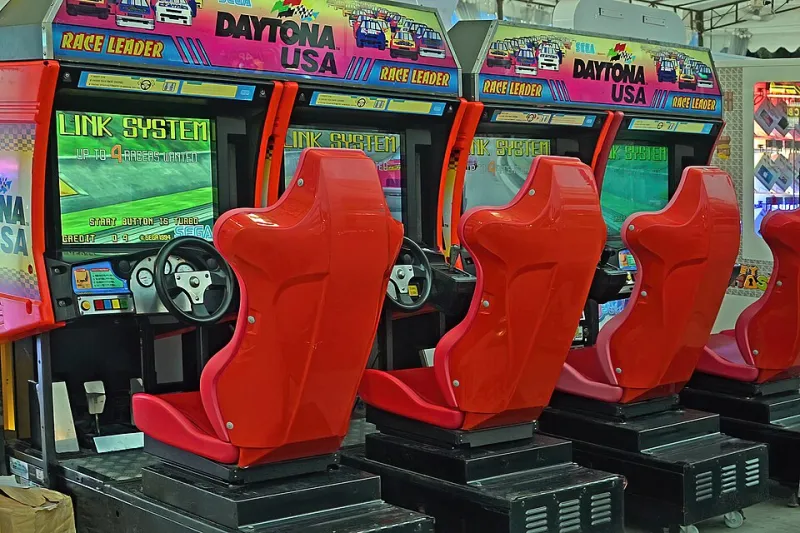
Photo: Choo Yut Shing from Singapore, Singapore, CC BY 2.0, via Wikimedia Commons
Video games get the nostalgia. Redemption games get the rent money. Walk into a modern family entertainment center in the US and you will see the pattern: a row of flashing video cabinets, a party area, a food counter, and then the real crowd favorite — claw machines, ticket wheels, coin pushers, and a prize counter full of plush toys, fidgets, and plastic swords. At 125520 Arcade, we like numbers, and redemption is where the numbers get interesting.
Redemption is not a side show. In many family entertainment centers, ticket games and prize counters generate margins that beat traditional video games. The reason is simple: a video game sells a fixed experience for a fixed price. A redemption game sells a variable outcome, and the prize is the excuse to keep playing. That difference changes everything.
The Business Model Is the Payout, Not the Game
A redemption game does not make money just by taking a quarter or a card swipe. It makes money by controlling the relationship between the cost of a play, the number of tickets awarded, and the wholesale cost of the prize. Operators call this the payout percentage, and it is the quiet dial behind the whole floor.
A simplified example: a player spends $20 on a ticket game, wins 200 tickets, and trades them for a prize that costs the operator $4 wholesale. The operator keeps the difference after machine costs, staffing, rent, and card fees. The exact math varies wildly by game, location, and prize mix, but the principle is always the same. The prize is not the product. The prize is the receipt.
That is why prize counters are filled with items that look expensive but cost very little in bulk. Plush toys, novelty items, and small electronics can be bought at wholesale prices that would surprise most parents. The ticket requirement is set to protect the margin, not to reflect the retail price on the box.
Why Claw Machines Are Beautiful and Terrible
Claw machines are the purest expression of redemption economics. The prize cost is low, the play price is clear, and the payout can be adjusted mechanically or digitally. A well-run claw machine can produce high margins with very little staff attention. It is also the machine most likely to attract complaints, because players can see the prize and feel the near miss.
Some states treat claw machines differently depending on how much skill is involved and whether the prize is guaranteed. That legal patchwork is one reason operators are careful about how machines are configured. A claw machine that is too generous is a charity box. One that is too stingy is a customer-service problem. The sweet spot is a machine that feels winnable and pays out just enough to keep people trying.
The Psychology of Tickets
Tickets work on players because they turn a game session into visible progress. A score is abstract. A strip of tickets is a thing you can hold. The prize counter gives that thing a destination. Kids learn the exchange rate quickly, and parents learn it even faster when a $20 card produces enough tickets for a bouncy ball and a sense of existential doubt.
Operators lean into that psychology with variable rewards, near misses, bonus rounds, and jackpot displays. The goal is not necessarily to make every player win big. It is to make the next play feel close enough to matter. That is the same loop that has powered arcades for decades, just with a different currency.
Fraud, Theft, and the Ticket Underground
Redemption floors are cash businesses with a physical currency, and that attracts fraud. Common problems include counterfeit tickets, card-system manipulation, prize theft, machine tampering, and employee collusion. A single weak process at the prize counter can erase the margin on a whole row of games.
Operators fight back with serialized tickets, card systems that track play and redemption, cameras over the prize counter, regular audits, and clear rules about who can approve a prize. The best defense is boring: count the inventory, reconcile the ticket totals, and make the process annoying to cheat.
Why FECs Keep Betting on Tickets
Redemption games are resilient because they fit the family entertainment center model. They work for birthday parties, school groups, casual dates, and parents who want a predictable hour of entertainment. They also create repeat visits: tickets left over, a prize almost won, a jackpot to chase. Video games are still the soul of the arcade, but tickets are often the engine.
At 125520 Arcade, we like the number in our name because it is exact. Redemption is full of exact numbers too — payout percentages, ticket values, prize costs, and margins. The plastic trinkets may look silly, but the money behind them is serious. The next time you see a kid weighing a bouncy ball against a stuffed unicorn, remember: that is not just a prize counter. That is the business.