Neon Underfoot: The Weird, Wonderful History of Arcade Carpet
Most people walk into an arcade and look up. Cabinets, marquees, monitors, maybe a flickering sign. At 125520 Arcade, we look down. The carpet is the tell.
You know the stuff. Neon triangles. Squiggles that look like a comet trail. Grids, stars, planets, abstract shapes that seem to vibrate under blacklight. It is loud, busy, and easy to mock. It is also one of the most recognizable design languages America ever produced, and it did not happen by accident.
The Pattern Was Never Random
Arcade carpet in its late-1970s and 1980s heyday was commercial flooring first and art project second. Operators needed something cheap, durable, and capable of hiding a decade of spilled soda, scuffed sneakers, and dropped nachos. Busy patterns were practical. A stain on a solid-color carpet is a confession. A stain on a cosmic swirl is just another shape.
The designs also borrowed from the blacklight culture around bowling alleys, roller rinks, and mall entertainment centers. Under UV light, the whites and fluorescents glowed. The floor became part of the show. In a cramped room full of noisy machines, that mattered.
A Design Language of Neon Clutter
The best arcade carpets shared a few tricks. They had no clear focal point. Your eye kept moving. There was no horizon line, no calm center, no place to rest. That sounds like bad design until you realize the room was supposed to feel kinetic. The carpet matched the attract modes, the blinking coin slots, the constant motion of other players.
The palette was narrow but loud: hot pink, electric blue, lime green, white, and black. The geometry was borrowed from space-age graphics, early video-game sprites, and cheap print catalogs. It was not refined. It was effective. And because it was everywhere in a certain era, it became a memory trigger. Adults who cannot remember the name of a single cabinet can still describe the carpet.
The 2026 Carpet Hunt
Original arcade carpet is scarce now. Most of it was glued down, worn through, and thrown out when mall arcades closed or remodeled. In 2026, the people who want it fall into a few camps.
Some operators salvage remnants from closing locations. They pull up sections, photograph the backing, and try to match the pattern. Others scan a clean piece and send it to a US printer that can produce commercial-grade broadloom or printed mats. Home arcade builders often take the cheaper route: a printed area rug over concrete, plus a few blacklights, gets most of the effect for a fraction of the cost.
The price range is wide. A small custom run can cost several thousand dollars. A printed rug for a garage arcade can be a few hundred. The hunt is part nostalgia, part scavenger economy, and part practical design.
Why It Still Works
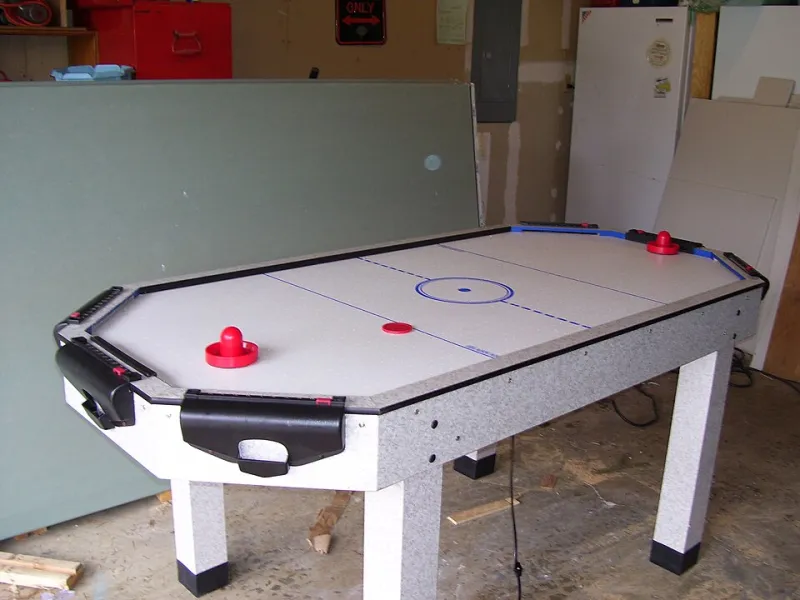
A good carpet does three jobs at once. It hides mess. It dampens sound in a room full of fans, speakers, and air hockey blowers. And it sets the visual temperature before a visitor touches a joystick.
That is why the carpet may be the cheapest atmosphere a modern arcade can buy. You can spend a fortune on LED lighting and custom paint. A strong floor pattern does more per dollar. It tells people they are somewhere else now, somewhere a little louder and less serious than the rest of the building.
A six-digit address like 125520 Arcade does not need a manifesto. It needs a floor that says: you are here for the fun. The carpet was never background. It was the first level.