Fast, Loud, and Slightly Dangerous: Why Air Hockey Refuses to Die
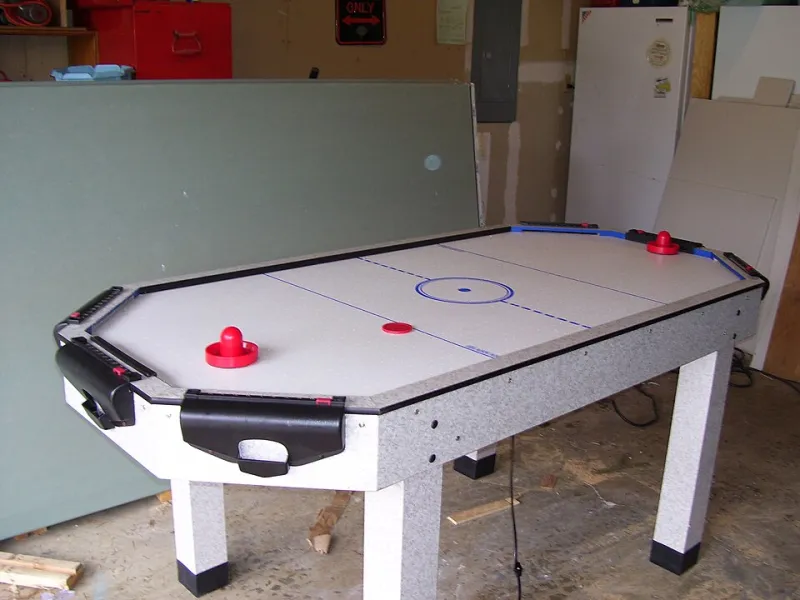
Photo: N734LQ, Public domain, via Wikimedia Commons
Air hockey is the most violent game in the arcade, and it does not even have a screen. The puck screams across the table. The mallets crack together. Someone lunges, someone laughs, someone gets a finger in the wrong place. Five seconds in, everybody understands the rules.
That is the whole trick. In 2026, while arcades argue about VR, retro cabinets, and card-swipe systems, air hockey just keeps working. It is fast, loud, physical, and almost impossible to overthink.
A Table Anyone Understands in Five Seconds
You hit the puck. You try to score. You try not to get scored on. That is it. A kid can play it. A grandparent can play it. Two strangers can play it without a tutorial, a controller layout, or a patch note.
Video games ask for learned input. Air hockey asks for a body. That makes it a social equalizer. It also makes it a great spectator game, because the action is large and the sound is immediate.
The Physics of a Good Table
A good air hockey table is a small engineering project. A blower pushes air through tiny holes in the playfield to create a cushion. The puck rides on that cushion. If the surface is level, the holes are clear, and the blower is strong, the puck moves fast and true. If any of that fails, the game turns sluggish and sour.
The rails matter too. A dead rail kills bank shots. A loose rail changes every angle. The goal size, mallet weight, and puck material all shape the pace. Some tables are built for casual play. Some are built for serious speed. The best ones feel honest: you can tell where the puck is going because the table is not fighting you.
Maintenance: The Unglamorous War
Operators know the truth. Air hockey tables are maintenance magnets. Dust and hair clog the air holes. Spilled drinks get into the seams. The blower motor collects grime. Mallets crack. Pucks chip. Scoring sensors fail. The playfield can warp if the table is near a window or a badly controlled HVAC vent.
A table that is not cleaned regularly stops playing like air hockey and starts playing like shuffleboard with extra steps. The best operators keep a vacuum, a level, spare pucks, and spare mallets close by. They also know that a loud table is part of the appeal, but a table that screams because the blower is dying is not ambiance.
Strategy at the Elite Level
Casual players swing hard. Elite players do not. They use angles, possession, and patience. They change speed. They bank shots off the rails. They hold the puck just long enough to pull a defender out of position. They play defense with the mallet high and the wrist loose.
The best players also control the center. A straight-on shot is easy to read. A shot from an angle is not. The real game is a conversation of small movements: a feint, a pause, a sudden snap. It looks chaotic from ten feet away. Up close, it is chess with a concussion risk.
Tuesday Nights Are the New Friday
In 2026, air hockey is quietly becoming a local tournament game again. Bars, arcades, and family entertainment centers are running weeknight brackets. The buy-in is low. The equipment is already there. The games are short. You can run a double-elimination tournament in a couple of hours and still sell drinks.
That format fits the modern arcade. It gives people a reason to come back on a slow night. It creates regulars. It turns a table in the corner into a community anchor.
Why the Violence Works
Air hockey survives because it is honest about what it is. It is not a narrative experience. It is not a progression system. It is a fast, physical contest with a puck that can leave a mark. That tiny edge of risk is part of the fun. It wakes people up.
At 125520 Arcade, we like a game that does not need a lore wiki. You put in a coin, pick up a mallet, and find out who you are. The table does the rest.