No Checkpoints, No Mercy: What My Six-Year-Old Learned From a Game That Doesn't Save
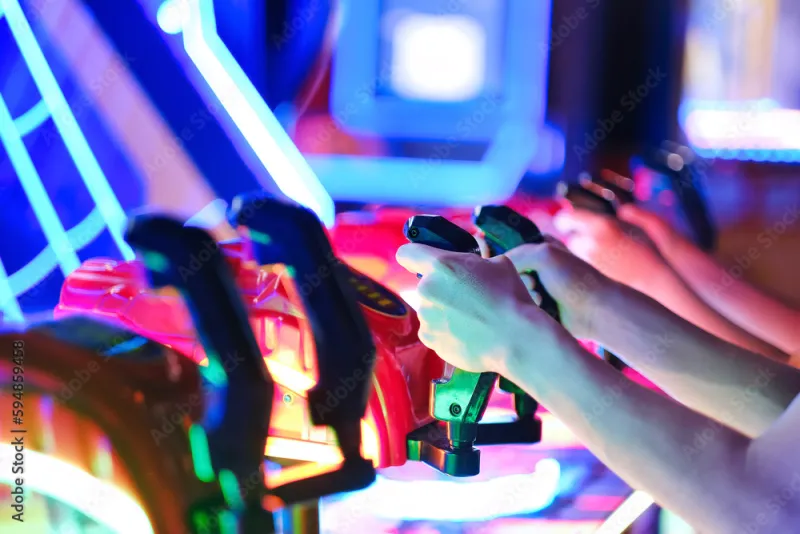
Photo: child playing retro arcade cabinet joystick focused, via as1.ftcdn.net
The accusation came at me with the full moral outrage only a six-year-old can produce: "Dad, the joystick is broken. It keeps ending my game."
It was not broken. It was Donkey Kong. And in that moment I realized I had made a serious parenting miscalculation: I had assumed my kid — a fluent operator of tablets, a savant of the swipe — would understand a game where dying means dying.
The Auto-Save Generation Meets the Kill Screen
My daughter has never known a game that didn't gently catch her when she fell. Fall off a platform in her mobile games? Respawn. Fail a level? Try again instantly, no penalty, sometimes with a friendly character cheering you on. The games she plays are engineered, quite deliberately, to never let her feel a loss for more than four seconds.
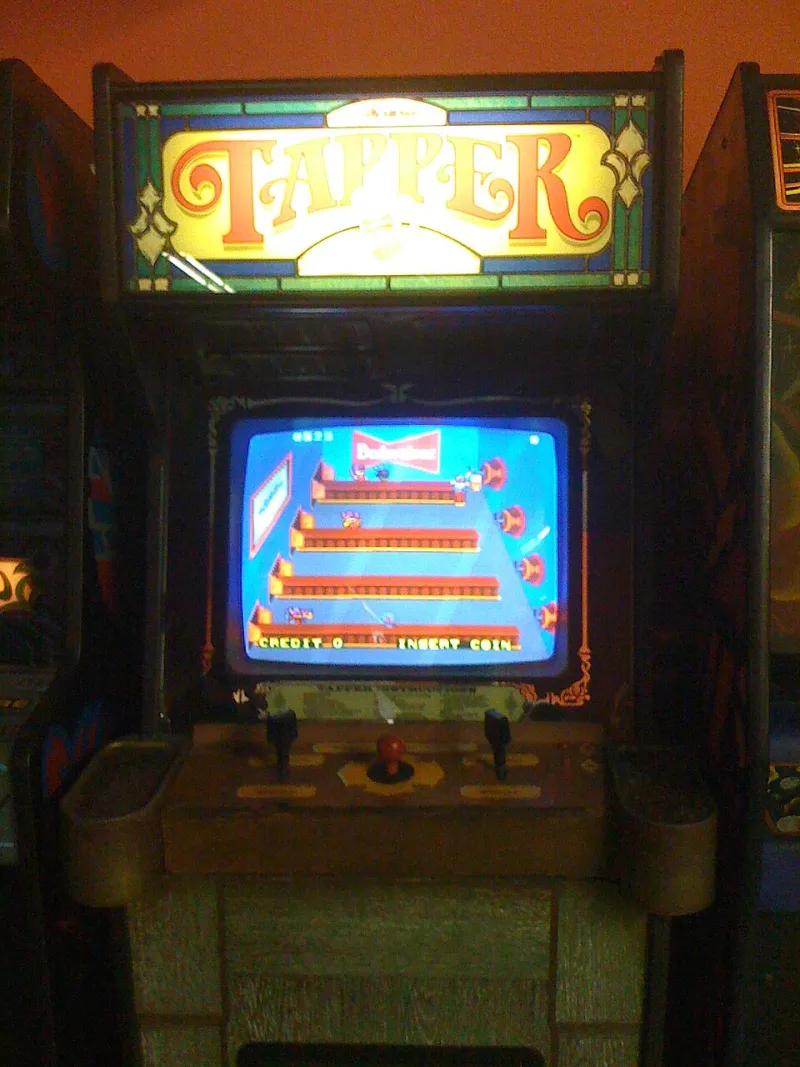
Then she met the cabinet in the corner of a pizza place in Ohio. Three lives. No tutorial. A monkey, some barrels, and consequences.
The first run lasted about ninety seconds. The second one less. By the third, she was negotiating with the machine like it was a misbehaving sibling — pressing the joystick harder, as if effort measured in pounds per square inch could bend the physics in her favor. It was genuinely funny. It was also, I started to notice, kind of profound.
What the Machine Was Actually Teaching
Here's the thing nobody tells you about showing your kid an arcade game: the old mechanics aren't just harder, they're a completely different philosophy of play. Modern games are designed to make you feel capable. Arcade games were designed to make you feel earnest — to extract everything you had, including your quarter, including your pride.
And kids, it turns out, can learn from that. Over the following weeks, a few things happened that no auto-save ever taught her:
- She started watching before she touched. The attract mode — that demo loop old games run when nobody's playing — became her tutorial. She studied the barrel patterns. She learned that observation is a skill.
- She learned that losing isn't the end of the world, because she watched it happen and the world kept going. The machine didn't comfort her. Nobody rushed in. And yet she was fine. Genuinely, verifiably fine, thirty seconds later.
- She got her first real "I earned this" moment. When she finally reached the second level — the second level, of a game teenagers once played for six hours on one quarter — the celebration was unlike anything her infinite-retry games had ever produced. Effort and reward had a visible, honest connection.
The Part Where I Question Myself
I'll be honest: there was a moment in that pizza parlor where I wondered if I was just being a retro-guy snob. My parents probably felt smug about making me mow a lawn instead of watching TV. Every generation anoints its own hardship as character-building.
But I keep coming back to one difference. Infinite retries aren't just easier — they change what a kid expects from failure. When every mistake is erased in four seconds, failure becomes a rounding error instead of an event. The arcade cabinet, for all its cruelty, makes failure mean something, which paradoxically makes success mean something too. Psychologists have a lot of jargon for this — frustration tolerance, growth mindset — but the machine just calls it the game over screen.
Broken Joystick, Working Kid
We go back to that pizza place now, semi-regularly. She's up to the third level of Donkey Kong. She still dies a lot. She has stopped blaming the joystick, mostly.
Last week, after a particularly brutal run, she put down the spare quarter I'd given her, looked at the screen, and said, "I know what I did wrong. I'm going again."
No app store game has ever taught her that sentence. The old machine did it in one afternoon. Which makes me think the joystick was never broken — it was just the first thing she'd ever met that refused to lie to her.