Between Gate B and a Galaga Machine: Chasing Down the Strangest Places Arcades Still Survive
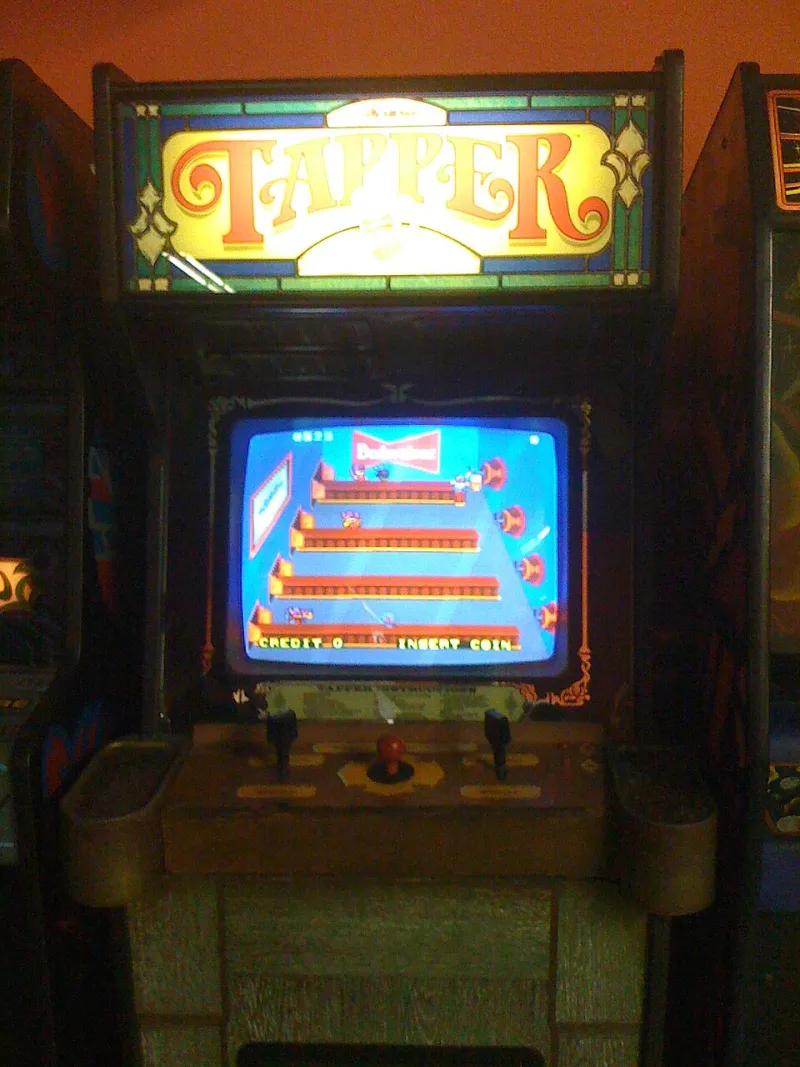
Photo: Rob DiCaterino from Jersey City, NJ, USA, CC BY 2.0, via Wikimedia Commons
There's a particular kind of disorientation that comes from walking past a 1982 Galaga cabinet while dragging a roller bag toward Gate C14. You're checking your boarding pass. The machine is checking whether you've got a quarter. Neither of you expected to be here.
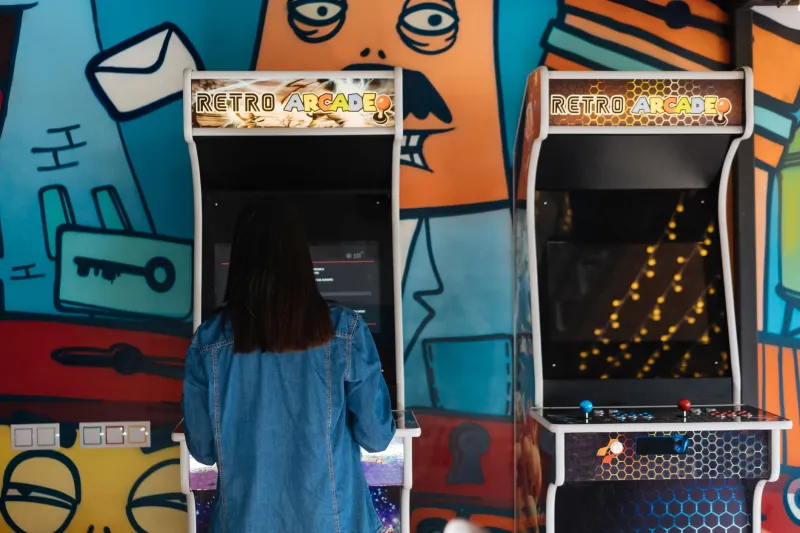
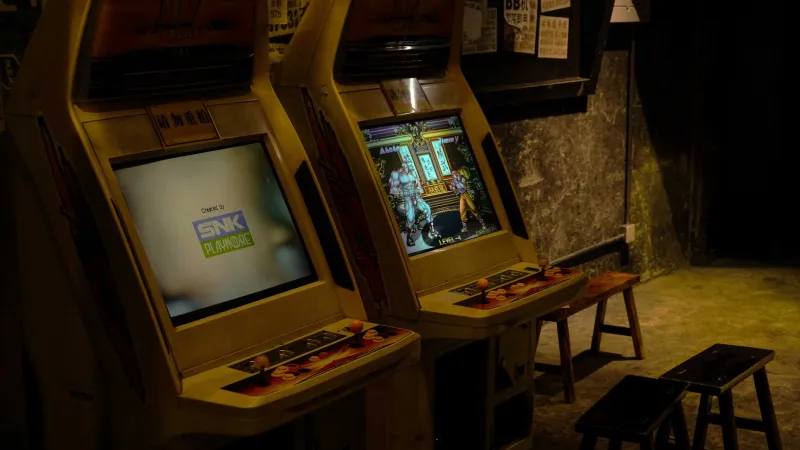
Arcades, we're told, died. And in one sense they did — the dedicated game centers of the 1980s, with their blacklight carpets and token buckets, are nearly extinct. But the machines themselves? They never got the memo. They're still out there, scattered across the country like survivors of a shipwreck, washing up in the strangest possible places. So we went on a small road trip to find them.
The Concourse Gamble
Start at the airport. A handful of American terminals — think smaller regional hubs and a few holdouts at bigger ones — still host coin-op cabinets near the gate areas. Nobody plans for this. It just happens that someone in airport operations decades ago signed a vendor agreement, and the agreement just... kept renewing.
The psychology of the airport cabinet is fascinating. You're a captive audience with time to kill, phone battery at 12%, and a three-hour layover. A machine that eats quarters offers something a phone can't: a hard stop. When the game ends, it ends. No infinite scroll, no algorithm deciding your next move. Just you, a joystick, and a high score that resets when you walk away.
Talk to the vendors who service these machines and they'll tell you the same thing: airport units earn surprisingly well for their age. Travelers don't play to win. They play to feel like the trip has started.
Bowling Alleys, Laundromats, and the Back-Room Economy
Then there's the bowling alley back room — arguably the last true natural habitat of the arcade cabinet in America. Walk past the snack bar at just about any family bowling center from Toledo to Tulsa and you'll find a row of machines, often including one or two genuine antiques nobody has gotten around to replacing.
The operators here aren't nostalgia merchants. They're pragmatic small-business people running a side business inside a side business. One operator we spoke with in Ohio put it plainly: the machine cost him $400 used, it earns $60 to $90 a month, and it takes a service visit maybe twice a year. "It's the best employee I've got," he said. "Never calls in sick."
That math is why the machines survive in laundromats, convenience stores off the interstate, and the corners of family fun centers. They're quiet, reliable revenue in a low-margin world.
The Boardwalk After the Storm
If you want the most surreal arcade experience in America, hit a beach boardwalk in late summer, right after a thunderstorm clears out. The crowds are gone, the machines are humming, and the salt air is doing its slow, patient work on every circuit board inside.
Boardwalk arcades operate on a different logic entirely. They're seasonal, weather-dependent, and part of a tradition that goes back to the penny arcades of the early 1900s. The modern cabinets — and yes, the survivors from the '80s — sit in a lineage of quarter-fed entertainment that predates video games altogether. Skee-ball, claw machines, cabinet games: it's all one ecosystem, and the beach is its last stronghold.
Play a cabinet there after the rain and you get something close to time travel. The storm-washed quiet, the distant boardwalk lights, the attract mode looping endlessly for an audience of nobody.
Why We Keep Feeding the Machines
Here's the thing all these locations have in common: they're places of waiting. Airports, ferry terminals, laundromats, bowling alleys between frames. The arcade cabinet was never really about the game. It was about giving boredom a shape.
And that's why they persist. Not because of nostalgia marketing or collector culture, but because the fundamental problem they solve — I have fifteen minutes and nothing to do — never went away. The smartphone solved it too well, and maybe that's exactly the point. A cabinet gives you a beginning, a middle, and a GAME OVER. Your phone gives you nothing but more.
So next time you're stuck at a regional airport or wandering a half-empty bowling alley, take the detour past the prize counter. If you're lucky, there's a machine there older than you are, waiting patiently for one more quarter.
Feed it. It's the least you can do for a survivor.