The Quarter Is a Contract: Reviving Arcade Etiquette for a Card-Swipe World
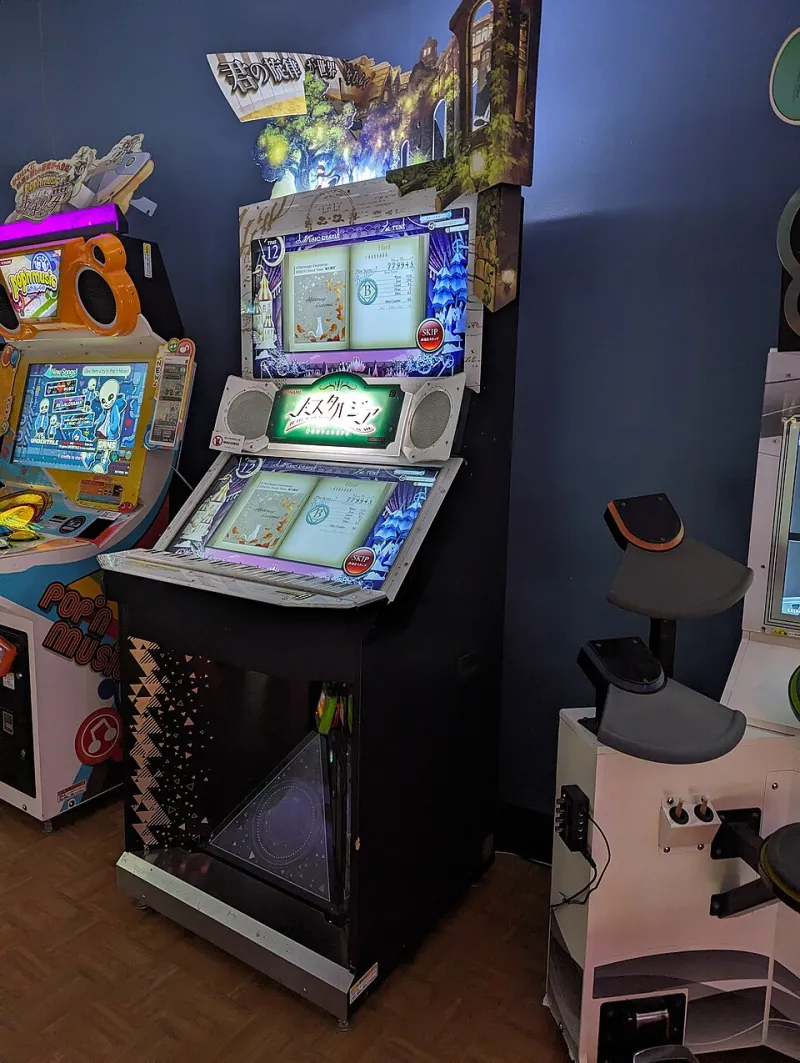
Photo: Reconrabbit, CC0, via Wikimedia Commons
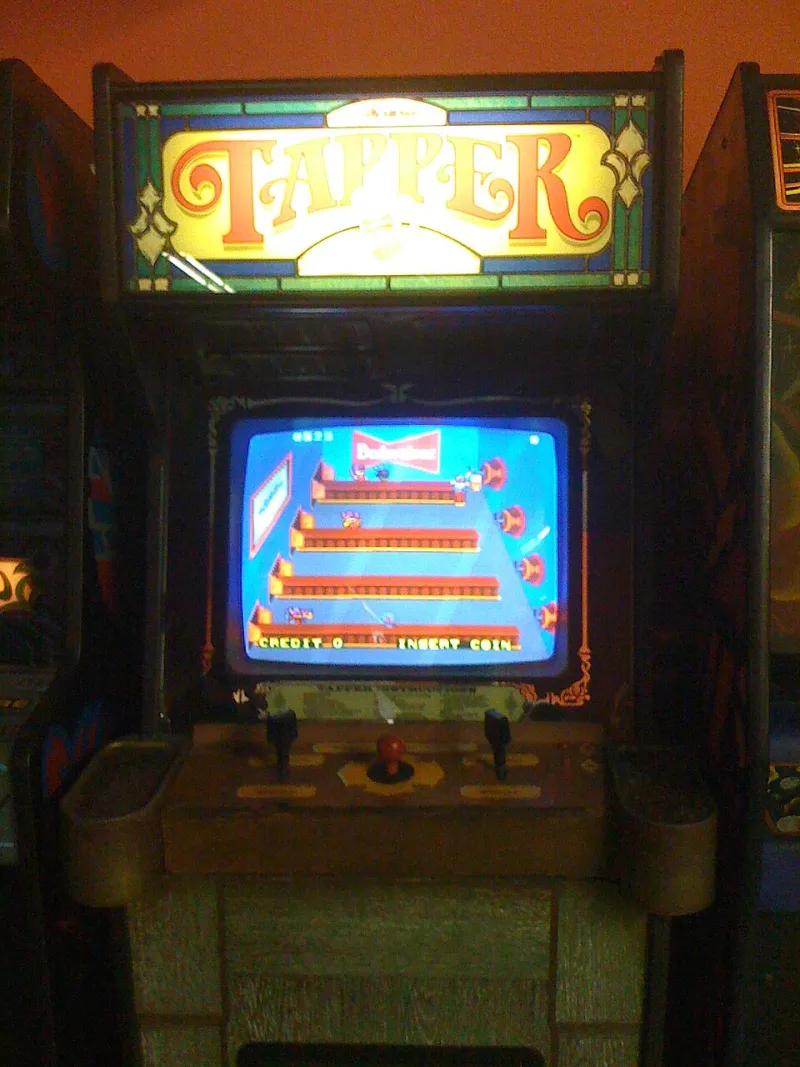
The quarter on the marquee was never currency. It was a sentence: I am here, I am next, and I will not hover over your shoulder while you play. No words required. No app. No tap. Just a small metal disk laid flat on the bezel, and everyone in the room understood the contract.
I have been thinking about that quarter a lot lately, mostly because I keep walking into arcades in 2026 and watching people do the exact opposite. They stand six inches behind a player, breathing on their neck, phone out, waiting for the machine to free up. Or they camp on a cabinet with a drink in one hand and a friend in the other, running a two-hour shift on a game they are not actually playing. Or — and this one hurts — they leave a card balance on a machine and walk away, ghosting the next player who has no idea whether the game is abandoned or just paused.
This is not a rant about kids these days. It is a rant about a lost language, and about why we should bother learning it again.
The Quarter Was Never About Money
Here is the thing the card-swipe era got wrong: it assumed the quarter was about payment. It was not. The quarter was a placeholder, a physical claim, a low-stakes promise. It cost you twenty-five cents to say "I've got next," and if you got bored and wandered off, you were out a quarter. That was the whole enforcement mechanism. Cheap, elegant, self-policing.
When you place a coin on a cabinet, you are doing several things at once. You are signaling to the current player that you are waiting, not watching. You are telling everyone else in line that the spot is taken. You are giving the player permission to finish their run without feeling rushed. And you are accepting a tiny bit of risk — that the machine might eat your quarter, that the player might take forever, that you might lose your place if you leave. All of that is the point. Etiquette is friction with a purpose.
What We Lost When the Line Went Digital
Modern arcades have mostly replaced the quarter with a card tap or a wristband scan. That is fine for operators — cashless systems are faster, cleaner, and easier to reconcile. But it quietly deleted the physical vocabulary of the line. There is no equivalent of the quarter-on-the-marquee for a card. You cannot leave your card on the bezel; that is your money. You cannot tap someone else's machine to claim a spot; that is theft. So people improvise, badly. They hover. They ask awkward questions. They give up and leave.
The result is a peculiar kind of social static. Regulars still know the old rules, but they are increasingly outnumbered by casual players who have never seen a quarter queue in their life. The regulars get annoyed. The casuals get confused. The machines take more abuse because nobody is watching the line. And the whole room feels a little less like a community and a little more like a food court with joysticks.
A 2026 Code of Conduct
I am not asking for a return to the gold standard. I am asking for a shared set of habits that work whether you are holding a quarter, a card, or a wristband. Here is a starter code — steal it, print it, tape it to the change machine.
Claim your spot visibly. If the arcade still takes quarters, use the quarter-on-the-marquee. If it does not, ask the player how many runs they have left and stand at a polite distance — roughly one cabinet-width back. Do not loom. Do not commentate unless invited.
One game, one claim. Do not put a quarter down for a friend who is "coming later." Do not reserve a machine for a group. The line moves one player at a time, and that is what keeps it moving.
Finish your run, then step away. If you have credits left on a card, do not walk away and leave the machine in limbo. Either play them out or cash out. A dark screen is an invitation. A paused screen is a hostage situation.
Do not coach unless asked. Watching is fine. Backseat driving is not. The player in the seat earned the seat. Let them lose in peace.
Reset the cabinet. Wipe the stick if you are sweaty. Throw your cup away. Push the stool back. The next player should inherit a machine, not a crime scene.
Yield to the kid. This one is not negotiable. If a child is clearly waiting and clearly nervous, you yield. You have had your turn. They are building a memory. Step aside.
Why It Still Matters
Arcades are one of the last public spaces in America where strangers of different ages have to negotiate a shared resource in real time. That is rare. That is valuable. The etiquette was never about being polite for politeness's sake — it was about making a room full of competing desires feel fair. When the quarter disappeared, we lost the training wheels. It is on us to put them back.
So yes: bring back the quarter-on-the-marquee where you can. And where you cannot, bring back the spirit of it. Stand back. Claim your spot. Finish your run. Yield to the kid. The machines will last longer. The lines will move faster. And the room will feel like an arcade again.