Small Towns, Big Scores: How Rural America Quietly Became the Next Hotbed for Arcade Operators
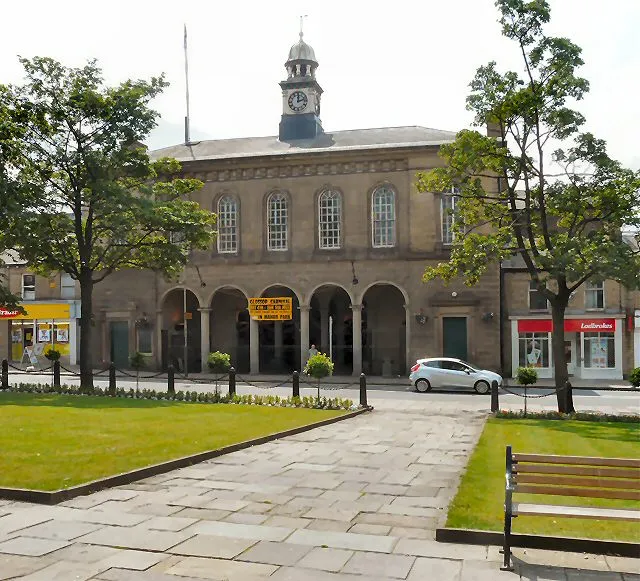
Photo: Gerald England, CC BY-SA 2.0, via Wikimedia Commons
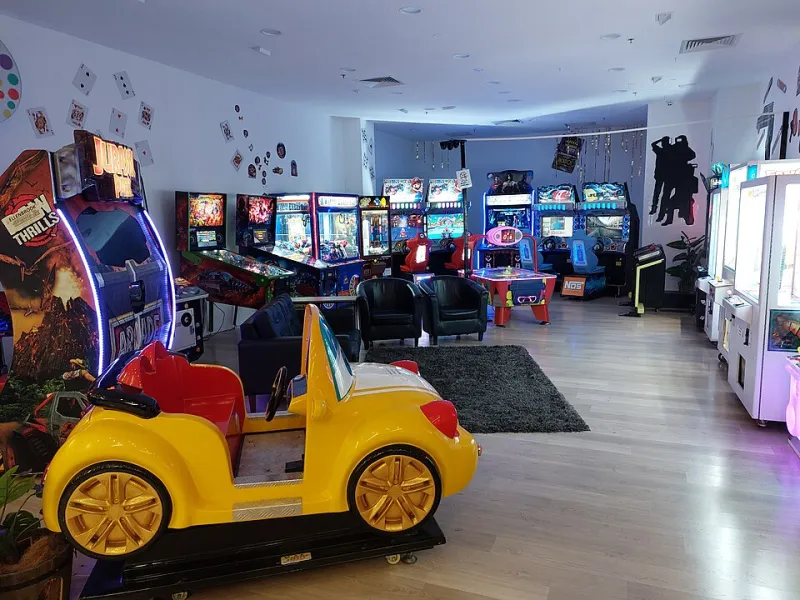
Drive through most small American towns and you'll notice the same thing pretty quickly: there's not a whole lot to do. A diner, maybe a dollar store, a gas station that doubles as the social hub on Friday nights. What you probably wouldn't expect to find is a fully stocked arcade venue drawing a crowd on a Tuesday afternoon. But that's exactly what's been happening in pockets of rural America, and the people behind these spots are quietly building something that the big-city gaming scene hasn't quite figured out yet.
While the headlines tend to focus on rooftop barcades in Austin or retro gaming lounges in Brooklyn, a different kind of arcade revival has been taking shape in places like small-town Iowa, rural Tennessee, and the agricultural stretches of the Pacific Northwest. It's not flashy. It's not Instagram-famous. But it's real, and by a lot of accounts, it's working.
The Math Actually Makes Sense Out Here
Ask any arcade operator in a major metro about their biggest headaches and rent will come up almost immediately. Commercial real estate in cities like Chicago or Los Angeles can run operators tens of thousands of dollars a month before they've plugged in a single machine. In a town of 4,000 people in rural Kentucky? That same square footage might cost a fraction of the price.
That gap in overhead is the foundation of the whole rural arcade argument. When your monthly fixed costs are dramatically lower, you don't need to pull in massive foot traffic just to keep the lights on. A steady stream of regulars — and they do become regulars — can be enough to sustain a healthy operation.
Operators who've made the jump to smaller markets also point to something less obvious: competition. In a city, you're fighting for attention against dozens of entertainment options on any given night. In a rural town, you might literally be the only game in town. That's not a cliché — it's a competitive advantage.
More Than Just Games
Here's the part that surprises most people when they first hear about these rural spots: they're not really just arcades. They're community centers with joysticks.
One operator running a venue in a small town in central Missouri described her space as part arcade, part event hall, part after-school program. She hosts birthday parties, church youth group nights, and even local fundraisers. The arcade machines are the draw, but the community glue is what keeps people coming back. She didn't set out to build a community anchor — she just wanted to open something fun — but that's what the town needed, and the town showed up for it.
This pattern repeats across rural arcade stories. The venues fill a social void that's particularly acute in areas where malls closed years ago, movie theaters never existed, or the nearest bowling alley is 45 minutes away. For teenagers especially, having a legit place to hang out that isn't someone's basement or a parking lot is genuinely meaningful.
Nostalgia With a Side of Tourism
Rural arcades have also figured out something that urban operators sometimes overlook: nostalgia is a tourism engine. A well-curated collection of classic cabinets — Pac-Man, Galaga, Street Fighter II, pinball machines from the '80s — has a magnetic pull on adults who grew up in the arcade era and now have disposable income and kids of their own to share the experience with.
Several rural operators have leaned hard into this angle, positioning their venues as destinations rather than just local hangouts. One spot in a small town near a popular state park in the Ozarks has built a following among weekend visitors who stumble onto the place and end up spending two hours there. The owner said he gets Google reviews from people in St. Louis and Kansas City who specifically mention making the trip worth it. Word spreads.
Couple that with the broader "experience economy" trend — where people increasingly spend money on things to do rather than things to own — and rural arcades start looking less like a quirky local business and more like a genuinely smart bet.
The Challenges Are Real, Too
None of this is to say that opening an arcade in rural America is a guaranteed win. There are real obstacles that operators are navigating every day.
Parts and maintenance are a constant headache. When a circuit board goes down on a classic cabinet, you're probably not driving to a local repair shop — you're sourcing parts online and either learning to fix it yourself or waiting on a technician who has to travel to reach you. The DIY factor in rural arcade ownership is significant, and operators who thrive tend to be the ones who embrace it.
Staffing can be tricky too. In smaller labor markets, finding reliable part-time help isn't always easy, and many rural arcade owners end up running very lean operations, sometimes handling everything themselves or with family.
And then there's the awareness problem. Without the built-in foot traffic of a dense urban neighborhood, rural operators have to work harder to get the word out. Social media helps — a lot of these spots have found genuine audiences on Facebook and TikTok — but it requires consistent effort that not every small business owner has bandwidth for.
A Blueprint Worth Watching
What's emerging from these rural success stories is something like an informal playbook. Keep the space welcoming and multi-purpose. Lean into nostalgia without ignoring newer games entirely. Build relationships with schools, churches, and local organizations. Position the venue as a destination for day-trippers, not just locals. Fix your own machines when you can.
None of it is revolutionary on its own. But the combination, applied in a market that's been underserved for decades, seems to be working in ways that are turning heads.
The big-city arcade scene gets most of the coverage, and fair enough — those venues are visually spectacular and easy to write about. But the quieter story happening in small towns across the country might actually be the more interesting one from a business perspective. Lower risk, genuine community need, and a customer base that's genuinely grateful you showed up.
At 125520 Arcade, we spend a lot of time tracking where gaming culture is heading. And right now, one of the more compelling directions it's heading is somewhere you might not have thought to look — down a two-lane highway, past the grain elevator, and into a storefront that used to be a hardware store. The high scores are posted on the wall, and the parking lot is fuller than anyone expected.